

What Is the Best pH Tester for Water in 2026?
Choosing the best ph tester for water in 2026 is not simply a matter of buying the most expensive device. Water testing happens in kitchens, aquariums, pools, laboratories, and hydroponic systems. Each setting demands different accuracy, durability, and operating habits.
A dependable meter should provide stable readings, clear calibration steps, and a probe suited to repeated contact with water. Automatic temperature compensation can improve consistency when samples change from cold tap water to warmer tanks. However, it cannot repair a dirty electrode or expired calibration solution. Small details matter. A bright screen helps outdoors. A replaceable probe can reduce long-term costs. Waterproof housing is useful, but it does not excuse careless storage.
This guide examines popular testers through practical criteria, including accuracy, response time, calibration stability, battery life, and maintenance requirements. It also considers real user problems, such as drifting numbers, fragile probes, and confusing instructions. No single meter fits every situation. That deserves emphasis. A budget tester may work well for occasional household checks, while professional water analysis requires stricter verification and documented procedures.
Measurements can still vary.
The most trustworthy choice is the one that matches the water source, testing frequency, and user’s technical confidence. Product claims will be compared with practical limitations, not accepted automatically. Readers will find clear guidance for selecting, using, and maintaining a ph tester for water without relying on vague star ratings alone.
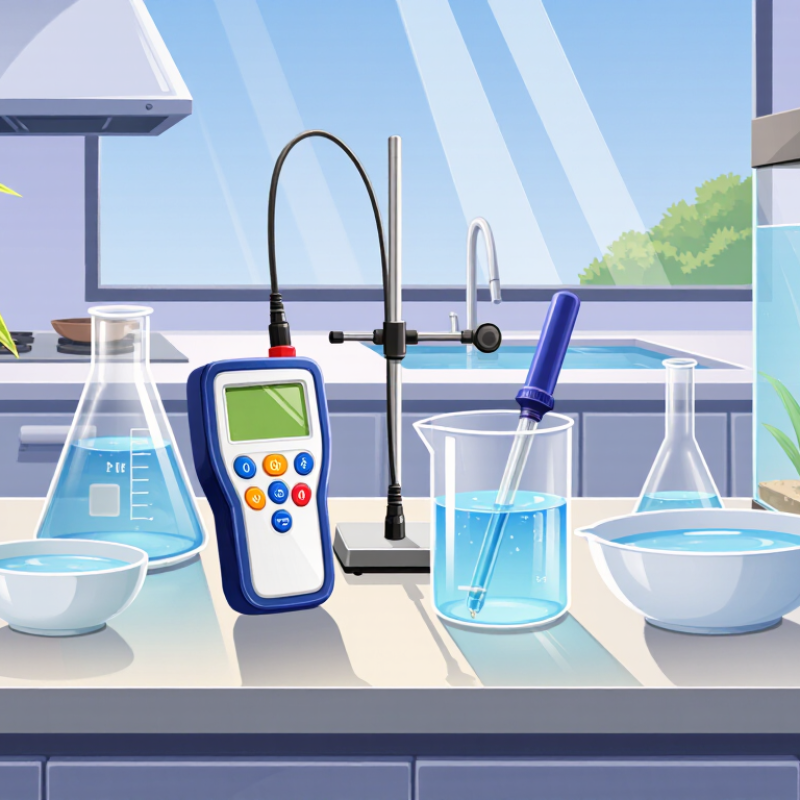
What to Consider When Choosing a Water pH Tester in 2026
Choosing the best water pH tester in 2026 depends on testing conditions, not appearance. A reliable meter should suit drinking water, aquariums, pools, or laboratory samples. The U.S. Environmental Protection Agency lists pH 6.5–8.5 as the secondary standard for drinking water. This range is a useful screening reference, not proof of complete water safety.
Look for an instrument with replaceable electrodes, automatic temperature compensation, and clear calibration prompts. Standard Methods 4500-H+ B identifies the electrometric method as the professional approach for measuring hydrogen-ion activity. Calibration should use fresh buffer solutions near the expected sample range. For ordinary water, pH 7 and either pH 4 or pH 10 are practical choices. A two-point calibration is often enough. Sometimes, it is not.
The World Health Organization’s Guidelines for Drinking-water Quality describes pH as operationally important, especially for treatment efficiency and corrosion control. The USGS National Field Manual also emphasizes calibration, temperature checks, and careful sample handling. Choose a tester with stated accuracy around ±0.01 pH when precision matters. However, advertised accuracy can distract from poor maintenance. Rinse the electrode with clean water, avoid wiping its glass bulb, and store it correctly. A waterproof case helps outdoors. So does a readable display. Cheap meters may drift after a few weeks, especially when the probe dries. That detail is easy to overlook.
What Is the Best pH Tester for Water in 2026? — What to Consider When Choosing a Water pH Tester in 2026
| Tester Type | Typical pH Range | Typical Accuracy | Calibration | Temperature Compensation | Best For | Main Limitations |
|---|---|---|---|---|---|---|
| Basic digital pen tester | 0.00–14.00 pH | Approximately ±0.1 pH | Usually manual, 1–2 points | Often absent or limited | Occasional household water checks | Lower repeatability; requires frequent calibration |
| Standard replaceable-probe meter | 0.00–14.00 pH | Approximately ±0.05 pH | Automatic or manual, 2–3 points | Commonly included with a temperature sensor | Aquariums, pools, hydroponics, and home testing | Probe storage and replacement are necessary |
| Professional handheld meter | 0.00–14.00 pH or wider | Approximately ±0.01–0.02 pH | Automatic, typically 2–5 points | Automatic temperature compensation is standard | Laboratories, water treatment, and frequent field testing | Higher purchase cost and greater maintenance requirements |
| Colorimetric test strips | Commonly 5.5–9.0 pH | Approximately ±0.5–1.0 pH | No electronic calibration | Not applicable | Quick screening and occasional checks | Color matching is subjective and less precise |
| Liquid reagent test kit | Often 6.0–8.5 pH | Approximately ±0.2–0.5 pH | No electronic calibration | Not applicable | Routine pool and aquarium screening | Reagents expire and testing requires careful timing |
| Continuous inline pH monitor | Typically 0.00–14.00 pH | Approximately ±0.02–0.1 pH | Automatic or manual, depending on controller | Usually included | Treatment systems, process water, and permanent installations | Installation, cleaning, and ongoing calibration are required |
Accuracy ranges are typical specifications for each tester category. Actual performance depends on calibration quality, electrode condition, sample temperature, water conductivity, and proper storage.
Related Posts
-
Top 10 Types of pH Meter for Water Buyers Should Know
-
Top 10 pH Testers for Water Buying Guide
-
2026 How to Choose the Best pH Meter for Water Testing?
-
How to Choose the Best pH Meter for Water Testing?
-
How to Choose the Best PH Tester for Water Quality Testing?
-
How to Choose the Best At Home Water Test Kit for You?