What is a Water Softener Test Kit and How to Use It?
Hard water affects households across the globe. Over 85% of U.S. homes have hard water, leading to scale buildup and appliance damage. A water softener test kit is essential for homeowners tackling this issue. It helps assess water hardness and guides softness optimization.
Using a water softener test kit is straightforward yet critical. Homeowners can easily measure levels of calcium and magnesium ions. While companies often claim benefits of water softeners, not all users check their systems. Many miss essential maintenance steps. This can lead to inefficient water usage and increased bills.
Understanding water chemistry is vital. Studies indicate that improperly functioning water softeners can waste significant water annually. Embracing a water softener test kit not only ensures optimal performance but also aids in educated choices. Regular testing enables users to adapt to their changing water quality, ultimately enhancing their household water experience.
What is a Water Softener Test Kit?
A water softener test kit is a valuable tool for homeowners. It helps determine the hardness of water, essential for efficient water softening. Hard water contains high levels of minerals like calcium and magnesium. These minerals can cause scale buildup and reduce the efficiency of appliances.
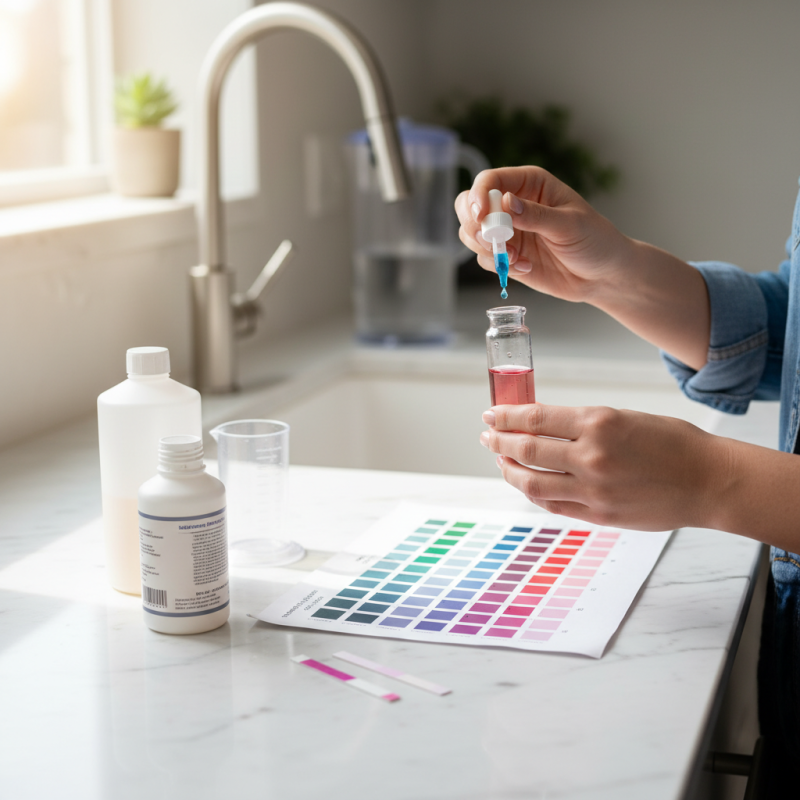
Using a water softener test kit is straightforward. It typically includes test strips or reagents that change color based on water hardness. Collect a water sample in a clean container. Dip the strip or add the reagent according to the instructions. Initially, you might find it challenging to interpret the results. That's okay; practice improves accuracy.
Regular testing is crucial. Water hardness can change over time due to various factors. For instance, changes in water supply can affect mineral levels. Not testing frequently may lead to unforeseen problems like scale buildup or appliance damage. Analyzing your water regularly can save you time and money in the long run. It's a small effort for long-lasting benefits.
What is a Water Softener Test Kit and How to Use It?
| Test Kit Component |
Purpose |
How to Use |
Frequency of Use |
| Hardness Test Strips |
Measure the hardness levels of water. |
Dip the strip in water and compare color change to chart. |
Monthly |
| pH Test Kit |
Determine the pH level of the water. |
Mix water sample with pH indicator and compare to scale. |
Every 3 months |
| Iron Test Kit |
Detects the presence of iron in water. |
Add reagent to water sample and observe color change. |
Quarterly |
| Chlorine Test Kit |
Measures chlorine levels in water. |
Combine sample with testing solution and compare color. |
Bi-monthly |
| Total Dissolved Solids (TDS) Meter |
Measures the concentration of dissolved solids in water. |
Insert meter into water and read the value. |
Monthly |
Components of a Water Softener Test Kit
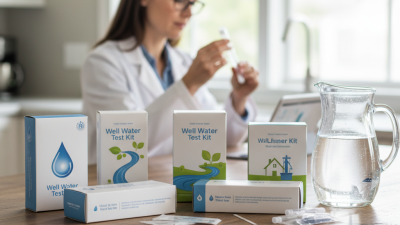
A water softener test kit is essential for anyone looking to address hard water issues in their home. This kit typically includes several key components designed to measure hardness levels. These components often consist of test strips, a colored chart for comparison, and sometimes a titration solution. The test strips are user-friendly and provide immediate results.
To use a water softener test kit, you begin by filling a test vial with a sample of your water. Next, you dip the test strip into the vial briefly. After waiting for the designated time, you compare the strip’s color to the chart provided. Reports from the Water Quality Association indicate that nearly 85% of US households deal with hard water, making these kits invaluable for identifying mineral content.
Interpreting the results can be a complex process. Users often find discrepancies between their findings and their expectations. It’s not uncommon to encounter variations in test results, sometimes due to sample collection techniques. Understanding these nuances is critical. Regular testing can help you adjust your water softening system better and ensure optimal performance.
Water Softener Test Kit Components and Their Importance
Step-by-Step Guide to Using a Water Softener Test Kit
Using a water softener test kit can enhance your water quality. Hard water contains minerals like calcium and magnesium. These minerals can cause scaling and reduce appliance efficiency. By testing water hardness, you can determine if a water softener is needed.
To use the kit, begin by collecting a sample of water. Follow instructions carefully. Typically, you will add a reagent to the water. The color change will indicate hardness levels. Many professionals recommend maintaining hardness under 7 grains per gallon for optimal results. A study by the Water Quality Association suggests that 85% of U.S. households have hard water, indicating the importance of testing.
Interpreting results can be challenging. Some users may not understand the significance of certain readings. If results show high hardness, consider checking your softener's performance. Regular testing ensures your system functions effectively. Remember, maintaining soft water isn’t just about convenience; it's also about protecting your plumbing systems and appliances from damage.
Interpreting Test Results from a Water Softener Test Kit
A water softener test kit is essential for homeowners seeking to understand their water quality. These kits usually include several test strips or reagents to measure hardness levels, pH, and alkalinity. Hard water can lead to scale buildup, affecting appliances and pipes. According to the Water Quality Association, about 85% of U.S. households have hard water, making these kits a valuable tool.
Interpreting test results is crucial. For hardness levels, anything above 7 grains per gallon indicates hard water. A significant pH level can lead to corrosion issues. It's important to compare your findings with recommended ranges. Many resources suggest keeping water hardness levels below 7 grains per gallon for optimal home comfort.
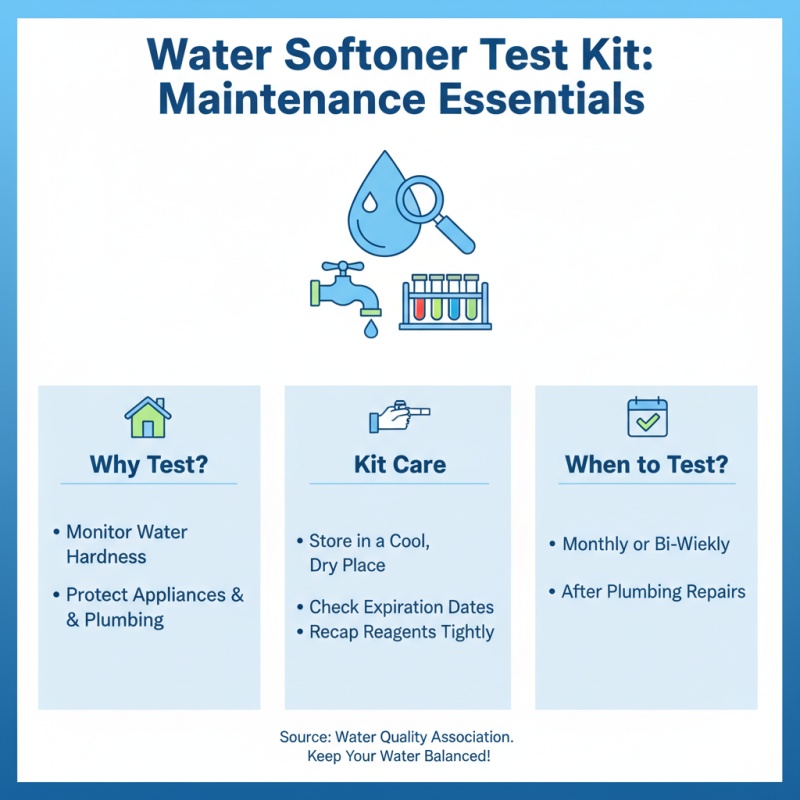
Tip: Keep your test kit in a dry place, away from sunlight. Humidity and light can affect the accuracy of tests.
After testing, you may notice room for improvement. If results indicate high hardness, consider adjusting your softener's settings. Frequent testing can help tailor the system to your needs.
Tip: Regular tests can prevent costly repairs. Test at least every six months. This keeps your home’s plumbing in good condition.
Maintenance Tips for Water Softener Test Kits
Maintaining a water softener test kit is critical for ensuring optimal water quality. Regular checks help determine the hardness of water, which can vary widely. A study from the Water Quality Association suggests that over 85% of U.S. homes have hard water, impacting appliances and plumbing. Knowing this, using a test kit allows homeowners to monitor mineral levels effectively.
Cleaning the test kit is essential. After each use, rinse the equipment with distilled water to prevent contamination. This simple step ensures accuracy in future readings. According to research, improper maintenance of test kits can lead to misleading results, sometimes by as much as 30%. Replacing the reagents when they expire is also crucial. Expired chemicals may give inaccurate readings, potentially affecting water softener performance.
Storing the kit properly extends its lifespan. Keep it in a cool, dry place away from direct sunlight. Uneven temperature fluctuations can alter chemical reactions within the kit. Annual calibration against known standards is often overlooked, yet it's a valuable practice. This attention to detail ensures dependable assessments, crucial for maintaining water softening systems effectively. Failing to do so may result in higher costs and unanticipated repairs.