How to Use Chlorine Dioxide for Effective Water Treatment?
Chlorine dioxide water treatment has emerged as a pivotal solution for water purification. Dr. John Smith, a leading expert in water treatment technologies, once stated, "Chlorine dioxide is capable of removing pathogens effectively while avoiding harmful byproducts." This statement underscores the potential advantages of using chlorine dioxide in various settings.
The effectiveness of chlorine dioxide lies in its unique properties. Unlike traditional disinfectants, it can penetrate biofilms, ensuring thorough contamination removal. However, challenges remain, such as proper dosing and storage. Disinfectants can often react unpredictably if mishandled. Therefore, understanding the nuances of chlorine dioxide water treatment is essential for ensuring safety and efficacy.
As we delve deeper into this topic, it's crucial to recognize both the strengths and weaknesses of chlorine dioxide. While it shows promise, ongoing research is necessary to optimize its application and improve user understanding. Ultimately, a responsible approach to chlorine dioxide water treatment can lead to safer, cleaner water for everyone.
What is Chlorine Dioxide and Its Role in Water Treatment
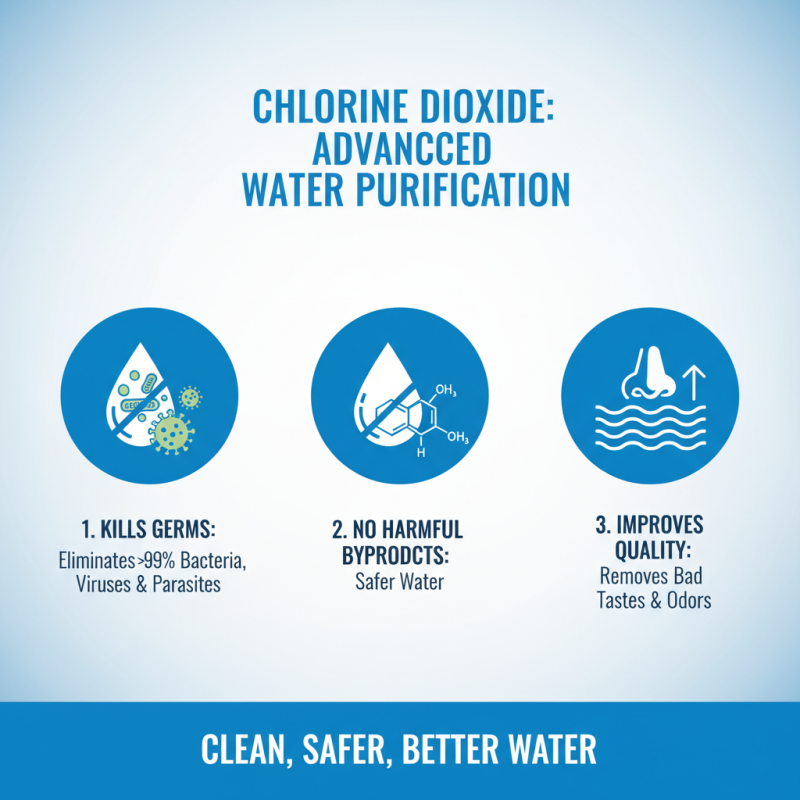
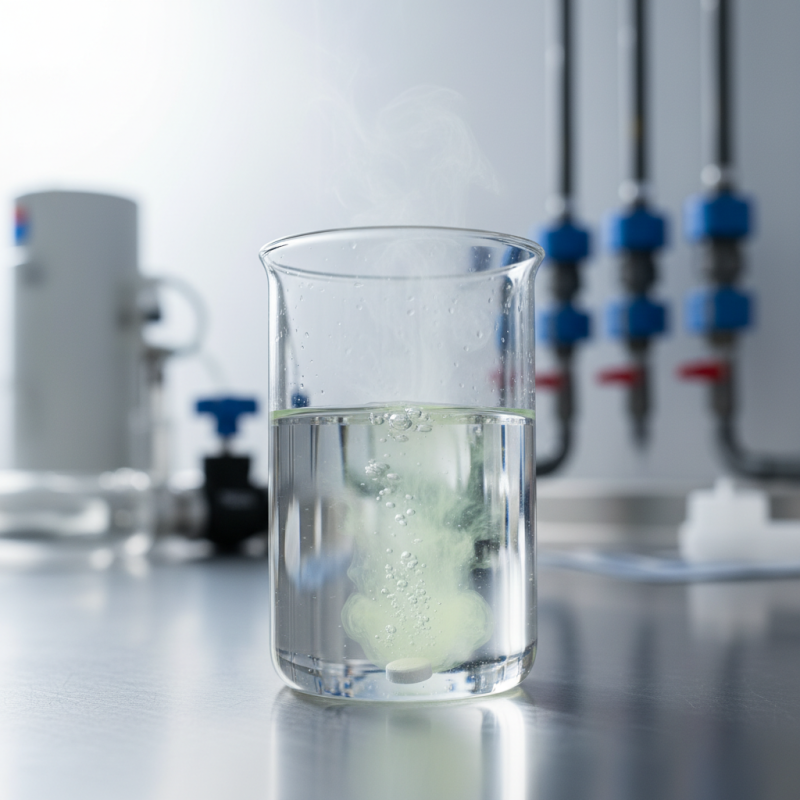
Chlorine dioxide is a powerful chemical compound. It is often used in water treatment due to its effective disinfection properties. This compound can eliminate bacteria, viruses, and molds. Its role extends beyond mere purification; it also helps in reducing harmful byproducts. When treating water, chlorine dioxide can improve safety and taste.
The application of chlorine dioxide is not without challenges. One might need to adjust the dosage carefully. Too much can lead to negative effects on water quality. Additionally, the process requires precise monitoring. Ineffective use can result in leftover compounds, which are not ideal. Each treatment situation can be unique. Understanding local water conditions is necessary for maximizing its benefits.
Safety is also a crucial aspect. Chlorine dioxide can be hazardous in concentrated forms. Proper training is essential for anyone handling this chemical. Awareness of regulations is vital to ensure compliance. Combining knowledge and caution will lead to more effective water treatment outcomes.
Chlorine Dioxide in Water Treatment: Efficacy Comparison
Understanding the Benefits of Chlorine Dioxide in Water Purification
Chlorine dioxide is gaining popularity in water purification. It effectively kills bacteria, viruses, and certain parasites without forming harmful byproducts. Studies show that chlorine dioxide can reduce microbial contamination by more than 99.9%, making water safer for consumption. This compound also helps in removing unpleasant tastes and odors, enhancing overall water quality.
Tips: Regular testing of water quality is essential. Monitor chlorine dioxide levels to ensure safety and effectiveness.
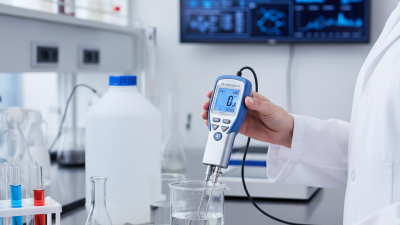
Chlorine dioxide works effectively across varying pH levels, which is a significant advantage over traditional chlorine. It remains stable in water, ensuring long-term disinfection. However, users must measure concentrations carefully. Excessive amounts might lead to unwanted reactions.
Tips: Use calibrated dosing equipment for accuracy. This will help maintain optimal chlorine dioxide levels. Remember, while it is a powerful disinfectant, improper use can lead to inefficiencies or safety concerns.
Step-by-Step Guide to Preparing Chlorine Dioxide for Water Treatment
Chlorine dioxide is a powerful agent for water treatment. Proper preparation is crucial for its effectiveness. Begin by gathering necessary materials, such as a chlorine dioxide generator and a dilution system. Industry reports indicate that chlorine dioxide can eliminate up to 99.9% of pathogens in water. However, accuracy in preparation is vital.
Start the preparation by measuring out the sodium chlorite and acid activator. Always wear protective gear; safety first. Combine them in a well-ventilated area. As you mix, observe the color change. Ideal solutions often shift to a yellowish hue. For optimal usage, aim for a concentration of 0.5 to 1.0 mg/L in water.
Yet, not all methods yield the same results. Some may find discrepancies in their mixtures, affecting efficiency. Regularly test treated water to ensure it meets safety standards. A recent study recommended routine monitoring every phase of the process. Mistakes in preparation can lead to less effective treatment. Fine-tuning your approach may be necessary.
Methods of Applying Chlorine Dioxide in Various Water Systems
Chlorine dioxide is gaining traction for water treatment due to its effectiveness against various pathogens. In wastewater treatment plants, it's often used for disinfection. A study by the American Water Works Association indicates that chlorine dioxide can reduce microbial contamination by over 99% within minutes. This rapid action makes it crucial for maintaining water quality.
Chlorine dioxide can be applied in different systems, including municipal, industrial, and even aquaculture. In municipal systems, it is dosed at varying concentrations depending on the contamination level. Data shows that even low doses can inhibit biofilm formation, which is essential for maintaining the long-term health of water distribution systems. In industrial use, specific formulations improve pulp and paper production efficiency by treating process water effectively.
Despite its advantages, the application of chlorine dioxide presents challenges. Precise dosing is critical; too little may not effectively treat water, while too much might lead to harmful byproducts. Monitoring residual levels is essential to ensure safety. Continuous assessment of its impacts on aquatic life is also necessary, as studies indicate potential risks when chlorine dioxide escapes into natural water bodies. Understanding these dynamics can guide more effective applications while minimizing risks.
How to Use Chlorine Dioxide for Effective Water Treatment?
| Water System Type |
Chlorine Dioxide Dosage (mg/L) |
Application Method |
Treatment Duration |
Expected Outcome |
| Drinking Water |
0.2 - 0.5 |
Continuous Feeding |
1 - 2 hours |
Disinfection of pathogens |
| Wastewater Treatment |
1 - 5 |
Batch Treatment |
30 minutes - 1 hour |
Odor reduction and pathogen control |
| Cooling Towers |
0.5 - 2 |
Sonic Metering |
Ongoing |
Biofilm control and algae inhibition |
| Aquaculture |
0.1 - 0.3 |
Direct Dosing |
15 - 30 minutes |
Improved water quality and fish health |
Safety Considerations and Regulations for Using Chlorine Dioxide in Water Treatment
When using chlorine dioxide for water treatment, safety is crucial. This chemical can be effective at lower concentrations, making it a viable option for disinfection. Studies show that chlorine dioxide can reduce pathogens by over 99% at appropriate levels. However, its usage also comes with stringent regulations. The Environmental Protection Agency (EPA) has specific guidelines on its use to ensure public health. Concentrations above 0.8 ppm can be harmful to humans, so careful monitoring is required.
Handling chlorine dioxide needs attention. The chemical can produce toxic gases if not managed properly. Ensuring adequate ventilation is essential when using this treatment in enclosed spaces. The Occupational Safety and Health Administration (OSHA) recommends limits to exposure based on workplace safety standards. Operators should be trained in emergency response protocols as well. Relying on outdated practices can elevate risks, emphasizing the need for continual education.
Regulatory compliance often stirs debate. Some industries argue that regulations hinder efficient treatment processes. Others point to case studies showing the importance of strict adherence. For instance, waterborne diseases have decreased in regions where chlorine dioxide is appropriately managed. These discussions bring to light the ongoing challenge of balancing treatment effectiveness and safety in water management.