Top 10 Water Quality Test Kits You Need Today?
Water quality is essential for health, the environment, and industry. Choosing a reliable water quality test kit can be overwhelming. Experts like Dr. Emily Carter, a respected environmental scientist, emphasize, "Understanding your water quality is crucial for safe consumption."
Several test kits are available today, but not all are reliable. Some may lack accuracy or comprehensiveness. Many consumers feel lost in a sea of options. It's vital to select a kit that suits your needs, whether for home, gardening, or aquaculture. A suitable water quality test kit can ensure you know what you're drinking and using.
Relying solely on product descriptions may lead to confusion. Hands-on experiences and reviews can provide valuable insights. However, users should remain cautious. Choosing the wrong kit might result in misleading results. Investing time to explore various options is worth it for your health and safety.
Essential Features to Look for in Water Quality Test Kits
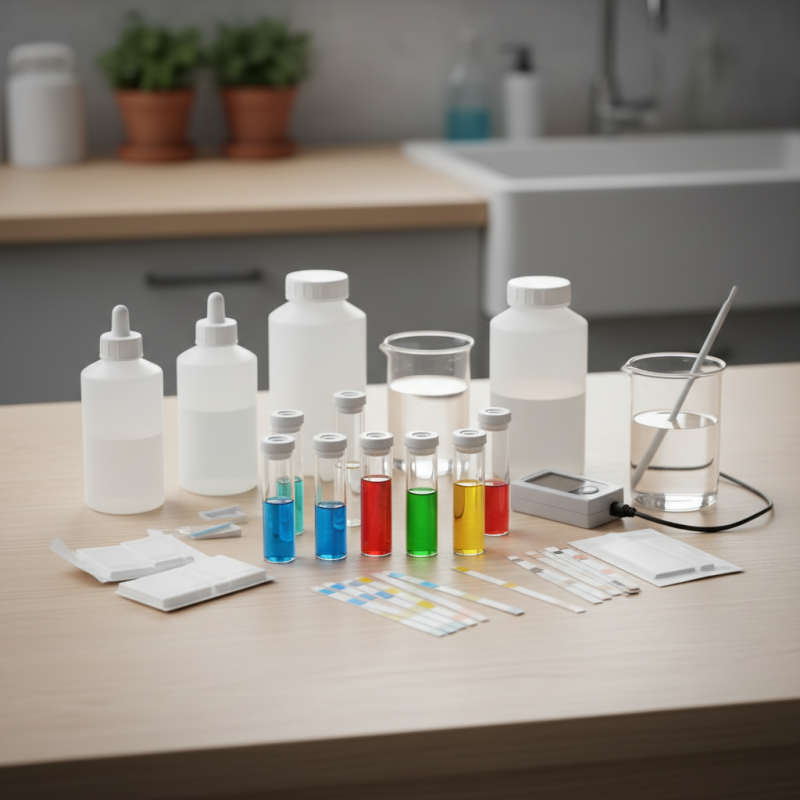
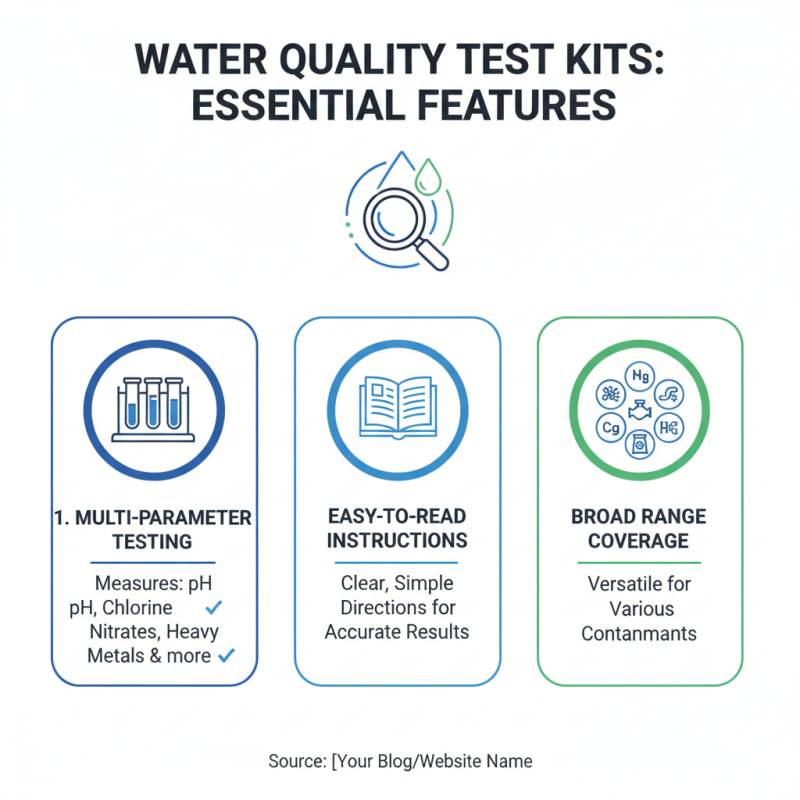
When selecting a water quality test kit, several essential features should be prioritized. Look for kits that measure multiple parameters. Common tests include pH, chlorine, nitrates, and heavy metals. Kits that cover a broad range of contaminants are more versatile. Easy-to-read instruction manuals enhance usability. The clearer the directions, the better your results will be.
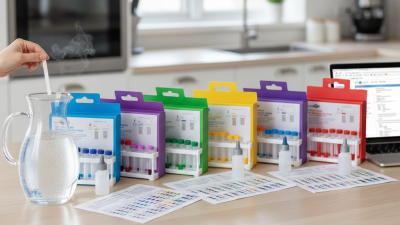
Tip: Always check whether the kit includes a comparison chart. This helps in accurately interpreting your results. Reliable test kits should also offer easy-to-understand color charts. If results are hard to decipher, it defeats the purpose.
Another critical aspect is the accuracy of the kit. Some kits might offer quick results but sacrifice precision. Reliable brands often provide test strips or reagents that yield consistent readings. Ensure that you perform tests under similar conditions to achieve comparable results.
Tip: Store your kits properly to avoid deterioration. Testing solutions can lose efficacy over time, leading to inaccurate readings. Regularly referencing the expiration dates of your supplies can prevent future mishaps. Trust in your chosen kit is essential, but remember that regular calibration is important.
Top 10 Water Quality Test Kits for Home Use
Ensuring safe and clean water at home is crucial. Many contaminants can affect your health. Therefore, it's wise to use water quality test kits designed for home use. These kits can reveal levels of bacteria, chlorine, lead, and pH. Knowing what's in your water helps protect your family.
When selecting a kit, look for ease of use. Some kits come with simple instructions. Others may require technical knowledge. Accuracy is essential. A reliable kit should provide consistent results over time. Minor discrepancies can create confusion, leading to incorrect conclusions.
In-home testing can empower you. It raises awareness of your water's condition. However, kits are not foolproof. They may miss certain pollutants. Regular monitoring and professional testing are also important. Consider your results with caution and always seek further advice if needed.
Comparative Analysis of Popular Water Quality Test Kits
In today’s world, ensuring water quality is crucial for health and safety. A variety of water quality test kits are available, each serving different needs. Some kits focus on pH levels, while others test for contaminants like lead or bacteria. Choosing the right kit can seem overwhelming, especially with the varying prices and features.
A detailed comparison of popular kits reveals significant differences. Some may promise quick results, but accuracy is key. Many users have experienced discrepancies in readings, raising concerns about reliability. It is essential to consider user reviews and expert insights when selecting a kit. Overall, kits should be easy to use, but not all deliver on this promise.
Engaging with these products can lead to learning opportunities. Misinterpretations of results could potentially harm health decisions. This reflects a need for continuous education on water safety. Understanding the limitations of each kit is vital. Only then can users make informed choices about their water quality testing needs.
Top 10 Water Quality Test Kits You Need Today
| Test Kit Name |
Test Parameters |
Result Time |
Ease of Use |
Price |
| Test Kit A |
pH, Chlorine, Hardness |
5 minutes |
Very Easy |
$25 |
| Test Kit B |
Lead, Nitrate, pH |
10 minutes |
Moderate |
$30 |
| Test Kit C |
Bacteria, Chlorine |
24 hours |
Easy |
$40 |
| Test Kit D |
Iron, Nitrate |
15 minutes |
Very Easy |
$35 |
| Test Kit E |
pH, Hardness, Alkalinity |
5 minutes |
Easy |
$20 |
| Test Kit F |
Fluoride, Nitrate |
30 minutes |
Moderate |
$50 |
| Test Kit G |
Total Dissolved Solids |
Instant |
Very Easy |
$15 |
| Test Kit H |
Ammonia, pH |
10 minutes |
Easy |
$28 |
| Test Kit I |
Sulphate, Nitrate |
8 minutes |
Moderate |
$22 |
| Test Kit J |
Copper, pH |
15 minutes |
Very Easy |
$45 |
Understanding Water Contaminants Tested by These Kits
When choosing water quality test kits, understanding the contaminants they test is crucial. Common water contaminants include bacteria, heavy metals, chlorine, and nitrates. Each of these can impact health and the environment in unique ways. Testing for specific contaminants helps ensure safe drinking water in your home.
Many home test kits assess bacterial presence. Coliform bacteria indicate potential contamination. Heavy metals like lead or copper may leach from pipes, posing long-term health risks. Knowing these details empowers users to take action. Test kits often include strips or require water samples. Detailed instructions accompany each kit for precise results.
Tips: Always compare test results with local water quality reports for accuracy. Look for multiple contaminant testing kits because water can have multiple issues. If results indicate any contamination, consider seeking professional analysis.
Being vigilant about water safety can prevent serious health issues. While many kits offer ease of use, not all are equally reliable. Reflect on your choices and seek reputable sources for guidance. Understanding water quality can lead to healthier lives and cleaner resources, laying the foundation for safe communities.
How to Properly Use Water Quality Test Kits for Accurate Results
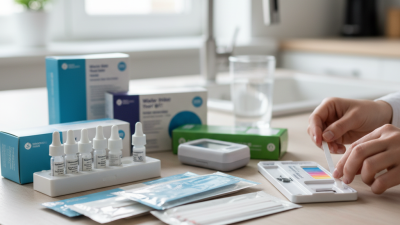
Using water quality test kits correctly is key to obtaining reliable results. Begin by gathering the necessary materials. A clean workspace is essential. Ensure the test kit is stored properly. Review the instructions thoroughly before starting. This preparation helps prevent errors.
When testing, collect water samples in clean containers. Avoid contamination by not touching the inside of the containers. Follow the kit's steps meticulously. Timing is critical; wait for the recommended duration before reading results. Environmental factors, like light and temperature, can impact outcomes, so control these variables when possible.
Interpreting results can be challenging. Take your time and compare colors accurately. Document results carefully for future reference. If discrepancies arise, consider re-testing. Reflect on potential mistakes or overlooked details. Regular practice improves accuracy. Consistent testing fosters confidence and a deeper understanding of water quality.