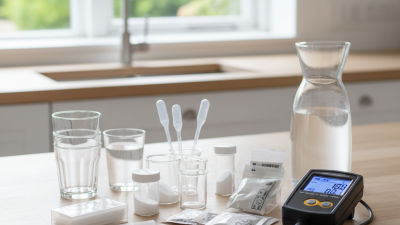
Why Is Home Water Testing Important for Your Health?
In recent years, the importance of a home water test has gained significant attention. According to Dr. Lisa Nguyen, a renowned expert in water quality and public health, "Understanding the safety of your drinking water is critical for your overall health." This underscores the need for homeowners to prioritize water testing as a fundamental aspect of health maintenance.
Many people assume that their tap water is safe, but contaminants can easily seep into household supplies. A home water test can reveal hidden dangers, like lead and bacteria, which often go unnoticed. Without regular testing, families may be unknowingly consuming harmful substances. Even minor contaminants can lead to significant health issues over time.
The process of testing is simple yet invaluable. Homeowners can either opt for DIY kits or professional services. Both options can shed light on the quality of water. However, some may find DIY tests insufficient or confusing. Reflecting on the findings from a home water test can be challenging. The data may reveal alarming results, forcing families to reconsider their water sources and filtration systems.
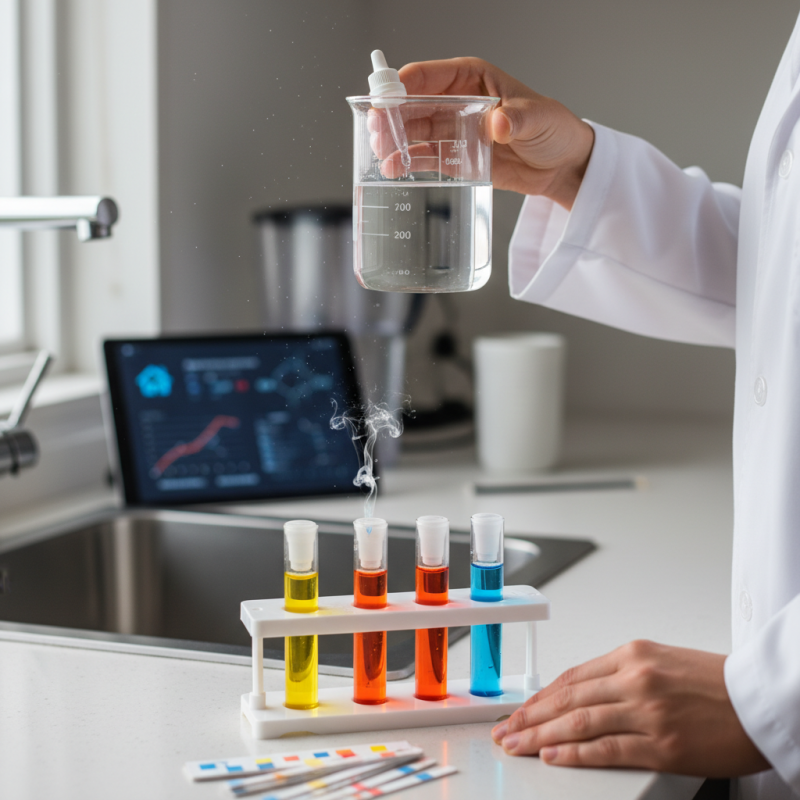
Importance of Water Quality for Human Health
Water quality directly impacts human health. Contaminated drinking water can lead to serious health issues. Chemicals, bacteria, and heavy metals may be present in your tap water. Regular testing helps identify these risks. It empowers individuals to take action.
Many contaminants are odorless and colorless. This makes them hard to detect without proper testing. For instance, lead can seep into drinking water through old pipes. Long-term exposure can harm the nervous system. Microorganisms in water can cause gastrointestinal illnesses. Testing helps ensure your family's safety.
Awareness about water quality is crucial. Sometimes, we take clean water for granted. However, living in a city or rural area does not guarantee safe drinking water. Everyone should consider testing their water. Knowledge gives you control over your health. It’s about making informed choices for a better quality of life.
Why Is Home Water Testing Important for Your Health?
| Water Contaminant |
Health Effects |
Source |
Recommended Limit (mg/L) |
| Lead |
Nerve damage, cognitive deficits |
Old pipes, plumbing |
0.015 |
| Arsenic |
Cancer, skin lesions |
Groundwater contamination |
0.01 |
| Nitrate |
Methemoglobinemia (blue baby syndrome) |
Fertilizer runoff |
10 |
| Chlorine |
Respiratory issues, skin irritation |
Water treatment processes |
4 |
| Fluoride |
Dental fluorosis, bone issues |
Natural mineral |
4 |
Common Contaminants Found in Home Water Supplies
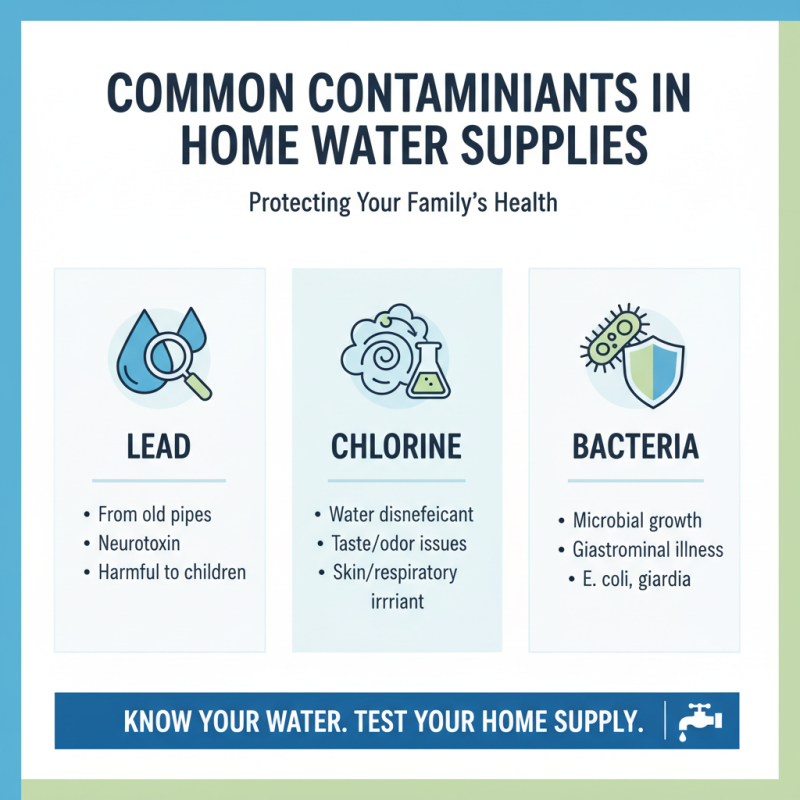
Home water testing is crucial for understanding the quality of water you consume. Many households are unaware of the potential contaminants lurking in their water supply. Common concerns include lead, chlorine, and bacteria. These substances can pose serious health risks, particularly for vulnerable populations like children and pregnant women.
Lead often enters drinking water through corroded pipes. Even small amounts can harm brain development in children. While chlorine disinfects water, it can react with organic matter to form harmful byproducts. Bacteria, on the other hand, can lead to gastrointestinal issues and more severe health problems.
Tips: Regularly test your water to ensure safety. Use a certified lab for accurate results. It's also recommended to check local water quality reports. If contaminants are found, consider filtration options tailored to specific issues. Awareness and action can greatly improve your health and safety.
Methods of Testing Water Quality at Home
Home water testing is crucial for ensuring the safety of your drinking water. Various methods exist to test water quality at home, each with distinct advantages. One common approach is using test strips, which provide a quick analysis of parameters like pH, chlorine, and hardness. A recent report indicates that nearly 45% of tap water samples exceed safe levels for one or more contaminants.
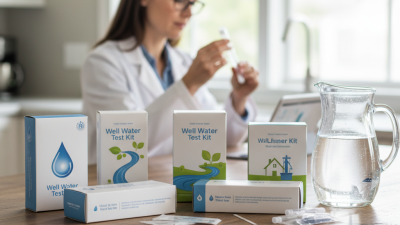
Another effective method is using a water testing kit, which usually includes comprehensive tests for lead, bacteria, and other harmful substances. For instance, the Environmental Protection Agency (EPA) states that about 10% of urban water sources may contain unregulated contaminants. Simple home kits can reveal much about the water you consume daily, yet many consumers overlook such simple measures.
Advanced options include using a digital meter for precise readings. These devices can measure specific pollutants, ensuring that your water is not just safe but also free from chemical residues. However, users should remain cautious. Without proper calibration, even digital meters can yield misleading results. Regular testing can help identify trends, but relying solely on one method may not provide a complete picture. It’s essential to combine different testing approaches for a more thorough understanding of your water quality.
Water Quality Test Results Comparison
Interpreting Water Test Results and Their Implications
Interpreting water test results can be challenging. Each report provides specific details about contaminants in water. Knowing what those details mean is essential for your health. Common parameters include pH levels, heavy metals, and microbial presence. A high lead concentration may indicate plumbing issues; this demands immediate attention. Contaminants can come from various sources. Understanding their origins helps in mitigating risks.
When reviewing results, consider any potential health effects. For example, elevated nitrates can pose serious risks, especially for infants. Some test results might show normal levels, but minor fluctuations can occur. Regular testing is key. Relying on once-a-year assessments isn't enough. Water changes, seasonal variations, and environmental shifts affect quality.
Furthermore, consulting with professionals can provide clarity. They can help explain complex data and suggest solutions. Misinterpretations can lead to unnecessary anxiety or complacency. Take your time to understand the results fully. Embrace a proactive approach to ensure safe drinking water. Your health deserves that effort.
Steps to Improve Water Safety in Your Home
Testing your home water is essential for health. It's often overlooked. Many assume tap water is safe. In reality, contaminants can lurk in plumbing or water sources. Testing highlights issues like lead or bacteria. It empowers you to take action.
Improving water safety is crucial. Start by obtaining a reliable water test kit. Follow the instructions carefully. Test regularly, especially if you notice changes in taste or smell. If contaminants are found, consider treatments like filtration systems or distillers. Also, ensure your pipes are in good condition. Aging pipes may leach harmful substances.
Be proactive about repairs. Address leaks or corrosion promptly. It’s easy to neglect these issues. Regular maintenance is key for clean water. Remember to educate family members about water safety. Share information on the importance of monitoring water quality together. Understanding fosters a safer home environment.