2026 How to Conduct a Home Water Test for Safe Drinking Water?
Ensuring safe drinking water is essential for health. A home water test can reveal potential contaminants. Many people overlook the importance of testing their water.
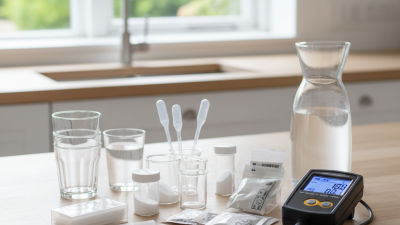
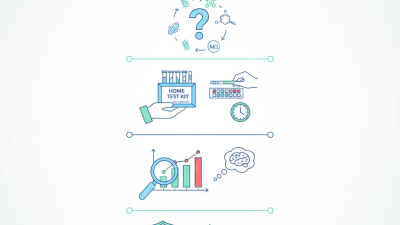
Conducting a home water test is straightforward. You can buy kits from local stores or online. These kits often test for common issues like lead or bacteria. It’s crucial to follow the instructions closely. Sometimes, results may be surprising or concerning. You might discover levels of substances you didn’t expect.
Gathering accurate data is key. It helps you make informed decisions about your water supply. A home water test can spark vital conversations about your health and safety. Reflect on any discrepancies in the results. Addressing those concerns can lead to significant changes for you and your family.
Understanding the Importance of Home Water Testing for Safety
Drinking water safety is a pressing concern for many households. Recent studies reveal that nearly 13 million Americans rely on private wells for drinking water. This can lead to potential contamination. Local water supplies may have issues even if they are public. Pollutants like heavy metals and bacteria often go unnoticed. The only way to ensure safety is through regular water testing.
Home water testing kits can identify harmful substances. For instance, a test can reveal lead, which affects brain development in children. According to the Environmental Protection Agency (EPA), even small amounts can pose serious health risks. Testing for nitrates is crucial too, especially for pregnant women. High levels can lead to serious health complications in infants. It’s alarming that only about 15% of households test their water regularly.
Many people overlook the importance of this process. It’s easy to assume that tap water is safe. However, aging pipes and industrial runoff can introduce contaminants. Water may appear clear but can still be hazardous. Engaging in home water testing raises awareness about our drinking habits and the quality of what we consume.
Common Contaminants Found in Residential Drinking Water Supplies
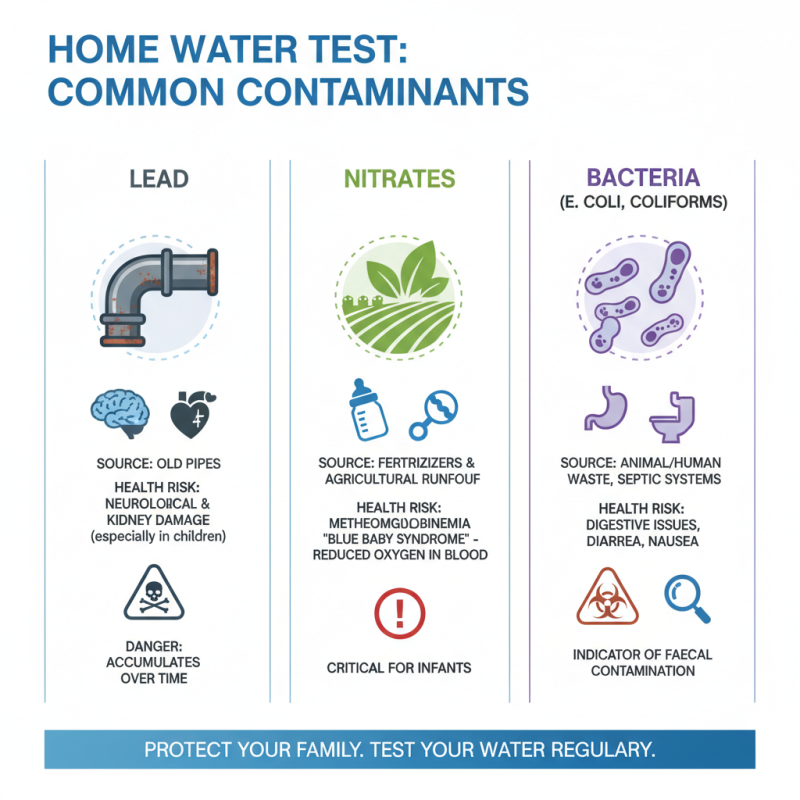
When conducting a home water test, understanding common contaminants is essential. Many households face issues with lead, nitrates, and bacteria. Lead often comes from old pipes. It can enter water, posing serious health risks. Even small amounts over time can be dangerous. Nitrates, usually from fertilizers, can affect infants especially. This chemical can cause methemoglobinemia, a condition that reduces blood's oxygen-carrying capacity.
Bacteria like E. coli can also appear in drinking water. They can originate from faulty septic systems or animal waste. Consuming contaminated water may lead to gastrointestinal illnesses. It's alarming how many people overlook these risks. Regular testing can reveal the presence of these contaminants. Many homeowners assume their water is safe. Yet, failure to test can lead to unexpected health issues.
Testing kits are available online and in local stores. Follow the instructions closely for accurate results. However, interpreting the results might not be straightforward. There’s a possibility of hidden contaminants that tests might miss. This is a reminder that while water testing is crucial, it is just one part of ensuring safe drinking water.
Step-by-Step Guide to Collecting Water Samples for Testing
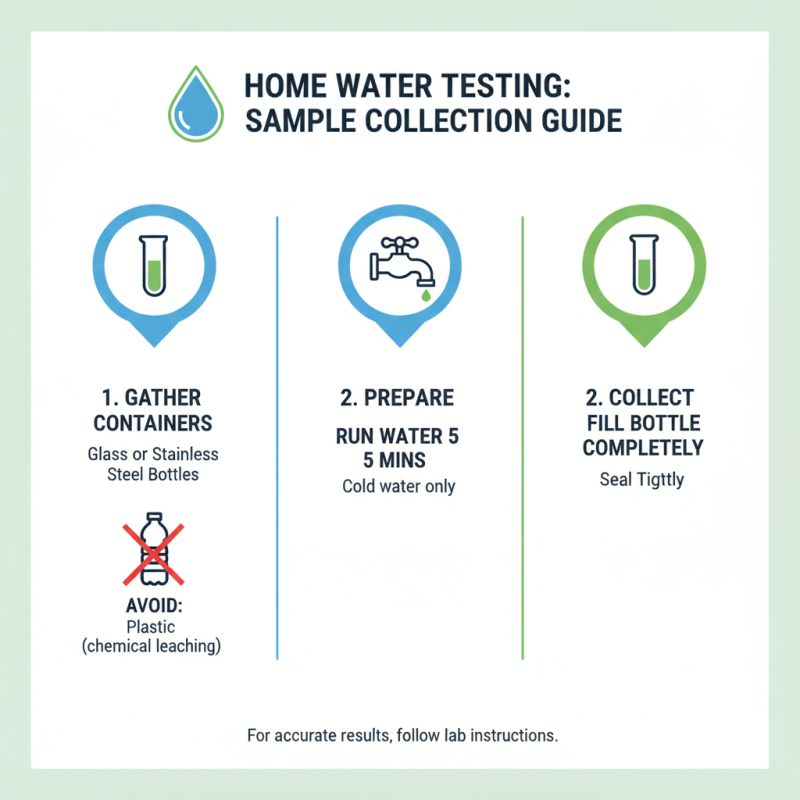
When testing your home water, collecting samples correctly is crucial. Begin by gathering clean containers. Use glass or stainless steel bottles. Avoid plastic, as it can leach chemicals.
Next, turn on your faucet for a few minutes before collecting samples. This helps flush out stagnant water. Fill the bottles to the top, leaving no air pockets. Ensure the caps are tightly sealed to prevent contamination.
Tips: Always wear gloves when handling your samples. This reduces the risk of introducing unwanted substances. Label each bottle with the date and location of collection. It’s easy to forget details, and precise labeling helps.
Pay attention to potential issues. If your water tastes or smells strange, it’s worth exploring further. Disturbances in your water source can lead to unexpected results. Don’t ignore unusual sediment or discoloration. Each detail matters in ensuring water safety.
Interpreting Water Test Results: What You Need to Know
When conducting a home water test, interpreting the results can feel overwhelming. You'll likely encounter various terms and measurements. Understanding these elements is crucial for ensuring safe drinking water.
For example, if you find lead levels, you must take action. Lead is harmful, especially for children. A simple test can reveal alarming results. Other contaminants may include bacteria, pesticides, or heavy metals. Each requires its approach for remediation.
Tips for interpreting your results:
- Check the units of measurement.
- Know the safe limits set by health authorities.
- If your water is too acidic or alkaline, it may not be safe.
- Familiarize yourself with common contaminants in your area.
- Always question any unexpected results. Don’t ignore them.
- Address inconsistencies promptly.
Taking control of your
water quality is essential. Your health depends on it. Keep an eye on your results. Regular testing can highlight changes. Stay informed about your local water quality reports. They can guide your testing practices. Understanding your water is a proactive step towards safety.
Best Practices for Remediating Contaminated Drinking Water Sources
When dealing with contaminated drinking water, immediate action is crucial. Identify potential sources of contamination in your home. Regularly inspect pipes and water storage tanks. Look for leaks or rust. Sometimes, pollutants come from older plumbing systems. It’s wise to conduct frequent water tests to check for harmful substances.
Once you've identified contamination, remediation options vary. Boiling water is a simple method to kill bacteria. However, this doesn't remove heavy metals. For such cases, consider using activated carbon filters. They can effectively reduce many pollutants. Also, reverse osmosis systems are an option but can be expensive. It's critical to choose a method that aligns with your specific needs.
Always remember to stay informed about local water quality reports. They can provide insights into any community-wide issues. If contamination persists, consulting a water quality expert may be beneficial. Self-remediation often has limits. A professional can offer invaluable guidance and solutions tailored to your circumstances. Awareness and proactive measures can ensure safer drinking water in your home.