10 Essential Tips for Effective Water Quality Testing
Water quality testing is crucial for maintaining a healthy environment. It helps ensure that our drinking water is safe and that aquatic ecosystems are protected. However, many people underestimate the importance of this process. Proper testing can reveal hidden issues in water sources, including harmful contaminants and imbalances.
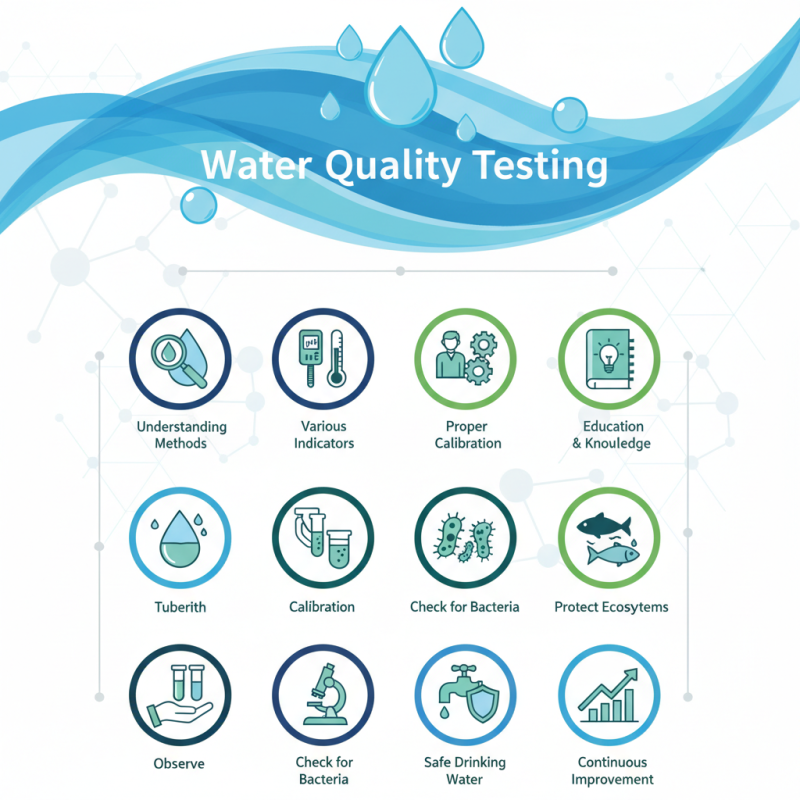
Conducting effective water quality testing requires more than just equipment. A deep understanding of testing methods is essential. It often involves various indicators, like pH levels, turbidity, and the presence of bacteria. Many users make mistakes in the testing process, leading to unreliable results. Overlooking these details can have far-reaching consequences for health and safety.
There is always room for improvement in how we approach water quality testing. Awareness of common pitfalls can enhance our methods. For instance, neglecting to calibrate instruments can skew results. Simple errors can lead to significant inaccuracies and misunderstandings. Thus, education and attention to detail are vital for effective water quality testing.
Understanding the Importance of Water Quality Testing
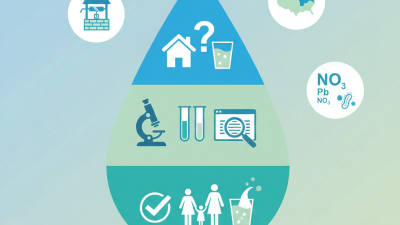
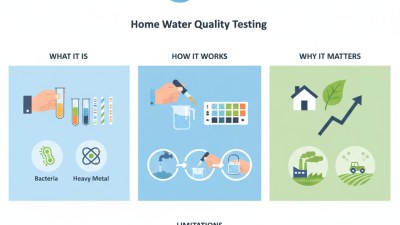
Water quality testing is vital for public health and environmental protection. Contaminated water can cause diseases and impact ecosystems. Regular testing helps identify potential risks. It can detect harmful bacteria, heavy metals, and pesticides. Understanding these threats is essential for communities to ensure safe drinking water.
However, many people overlook the importance of testing their water. They may assume tap water is safe. This assumption can lead to dangerous situations. In some cases, untested water may appear clear but still contain harmful substances. Monitoring water quality should be a priority, not an afterthought. Engaging local communities in awareness about water testing can lead to better practices.
It's not just about collecting samples. Interpretation of results is crucial, too. Often, individuals struggle to understand what the numbers mean. There’s a need for better education on this subject. People may neglect regular checks, thinking one test suffices. In reality, water can change over time. Consistent testing ensures ongoing safety and compliance with health standards. It's a commitment everyone should embrace.
Selecting Appropriate Water Testing Methods
When selecting appropriate water testing methods, it is crucial to consider various factors. The type of water source is essential, whether it’s groundwater, surface water, or treated water. Each source has different contaminants and properties. For instance, a report from the Environmental Protection Agency shows that nearly 20% of community water systems fail to meet safety standards.
Understanding the specific contaminants is vital. If you are testing for heavy metals, a different method is required compared to testing for microbial contamination. According to the World Health Organization, around 2 billion people lack access to safe drinking water. The complexity of contaminants necessitates tailored testing techniques to ensure accurate results.
It's also worth reflecting on the challenges of water testing. Many methods require specific equipment and trained personnel. This can lead to inconsistent results when resources are limited. Data accuracy is paramount, yet human error can impact testing outcomes. Often, assumptions about water quality lead to unexpected findings. Implementing a systematic approach can help bridge these gaps and improve overall testing efficacy.
Essential Equipment and Tools for Accurate Testing
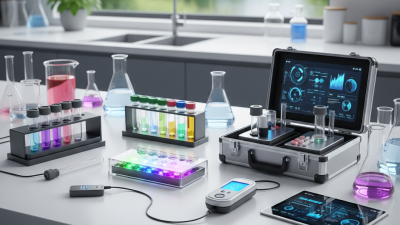
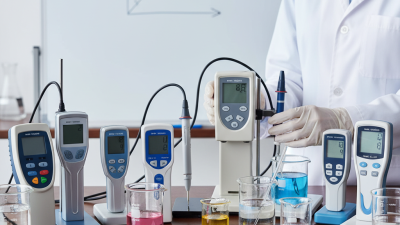
When it comes to water quality testing, having the right equipment is crucial. Start with a reliable pH meter. It quickly measures acidity or alkalinity in water. Precision is key. Investing in a good thermometer is also essential. Water temperature affects many chemical processes. Don't overlook a turbidity meter, either. It helps assess water clarity, an important factor in quality assessment.
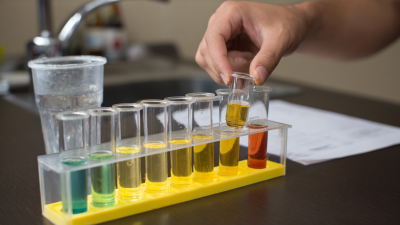
Collect samples with clean, sterilized containers. Bacteria can easily contaminate results. A field test kit can be handy for on-the-spot checks. The accuracy of results depends on your tools and methods. Consider using test strips as well. They are simple and effective for basic testing. However, they may not provide detailed information. Reflect on your testing practices. Regular calibration of equipment is often neglected. Remember, maintenance is just as important as the initial investment. Proper care can extend the life of your tools, ensuring consistent results.
10 Essential Tips for Effective Water Quality Testing
The following chart displays the average levels of key water quality parameters across various testing locations. This data helps to understand essential aspects of water quality and the importance of regular testing.
Interpreting Water Quality Test Results Effectively
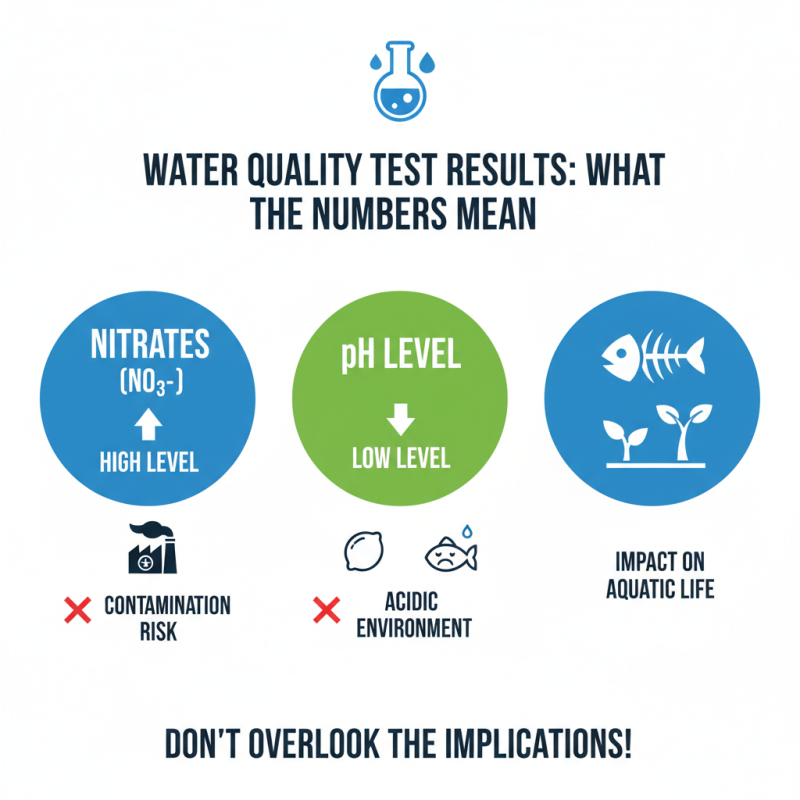
Interpreting water quality test results can be challenging. It's crucial to know what those numbers mean. Many people overlook their implications. A high level of nitrates might indicate contamination. Meanwhile, low pH levels could suggest an acidic environment. Both can harm aquatic life.
When testing, consider multiple parameters. Each factor reveals something unique. For instance, turbidity affects how light penetrates water. This impacts photosynthesis. Always compare results against safety standards. However, do not solely rely on them. Environmental context matters too. Local runoff or seasonal changes can skew your findings.
Here are a few tips. Keep your testing equipment clean and calibrated. A dirty tool can yield misleading data. Record your results diligently. Patterns emerge over time. And don't hesitate to seek expert advice. Sometimes, a second opinion can shed light on obscure results. Ultimately, understanding water quality requires patience and a keen eye.
Best Practices for Routine Water Quality Monitoring
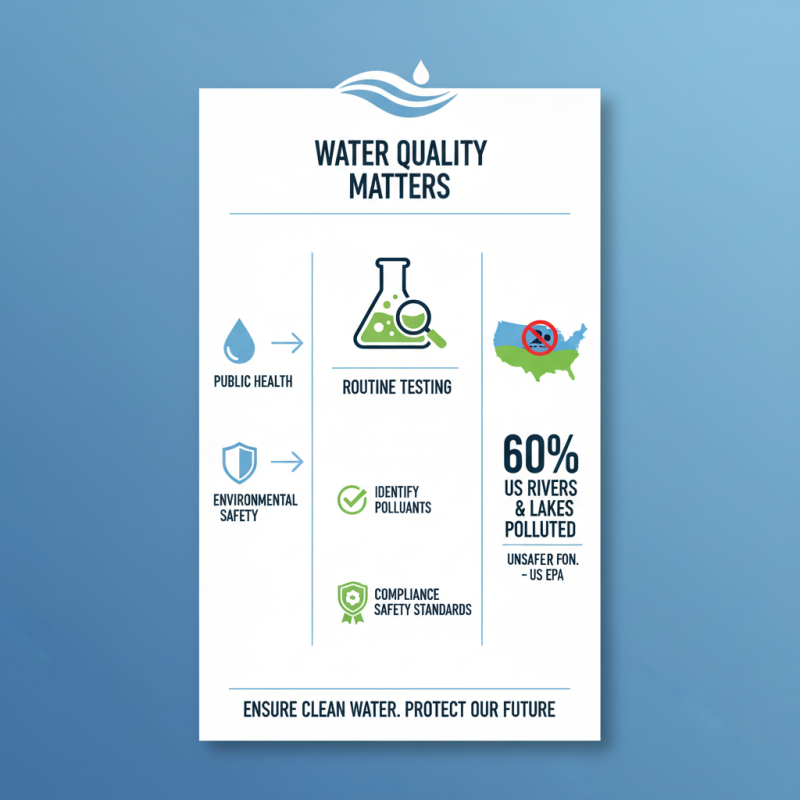
Water quality monitoring is essential for public health and environmental safety. Routine testing can identify pollutants and ensure compliance with safety standards. According to the U.S. Environmental Protection Agency, nearly 60% of U.S. rivers and lakes are too polluted for safe recreation. This highlights the need for effective water quality testing.
One important tip is to establish a regular testing schedule. Consistency can help track changes over time. Conduct tests in varying weather conditions to see how environmental factors impact water quality. It’s vital to understand that fluctuations can occur. For instance, heavy rain can increase runoff, introducing contaminants.
Collect samples correctly. Ensure containers are clean and free from contaminants. Following standard procedures can prevent skewed results. Additionally, consider testing for a variety of parameters such as pH, nitrates, and turbidity. This provides a comprehensive view of water quality. Unfortunately, many still overlook these basics, leading to misleading data. Regular training on methodologies can improve accuracy. Ultimately, being proactive about testing fosters a healthier environment for everyone.