What is a Drinking Water Test and Why is it Important?
Water is essential for life. Yet, many overlook the quality of drinking water. A drinking water test is a crucial step in ensuring safety. Contaminated water can lead to serious health issues. Often, we cannot see or taste harmful substances. This is why regular testing is vital.
Conducting a drinking water test reveals hidden threats. Whether it's bacteria, lead, or other pollutants, detection is key. Many assume their water is clean. They trust local supplies without question. However, home plumbing systems can introduce contaminants. Ignoring this can have dire consequences for families.
Ensuring safe drinking water protects health. Testing helps identify issues early. Awareness leads to better choices. Are we doing enough to safeguard our water sources? Regular testing should be a priority. Quality matters more than we often realize. Let's reflect on the steps needed for cleaner water.
What is a Drinking Water Test?
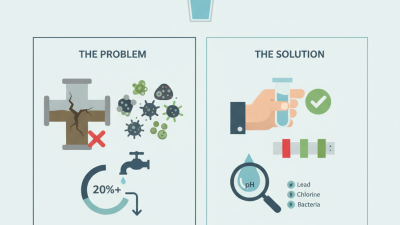
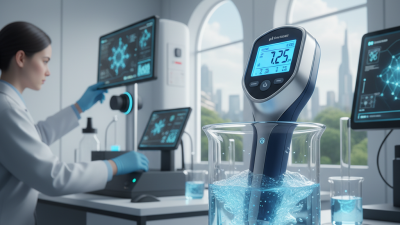
A drinking water test is a vital procedure that assesses the safety and quality of your tap water. It typically analyzes for contaminants like bacteria, heavy metals, and chemicals. Ensuring the purity of your drinking water can prevent health issues. Many people unknowingly consume harmful substances daily.
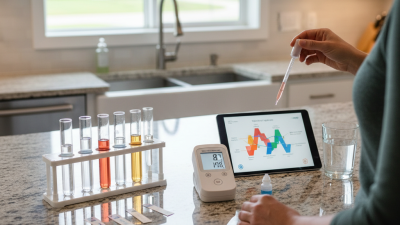
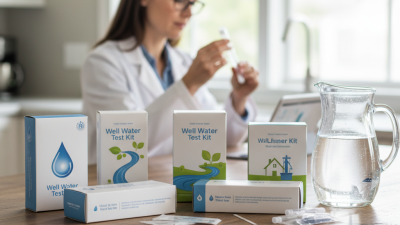
The process of testing can be straightforward. You can collect a water sample at home and send it to a lab. Some tests are available as do-it-yourself kits. However, not all kits are reliable. You might miss critical contaminants if you don't choose wisely.
Understanding the results is equally important. Many people feel overwhelmed by technical jargon. A simple explanation of the findings is necessary. Issues like high lead levels or excessive chlorine can pose serious health risks. Regular testing empowers you to stay informed about your water quality. It encourages proactive measures to ensure safe drinking water for your family.
Types of Drinking Water Tests and Their Purpose
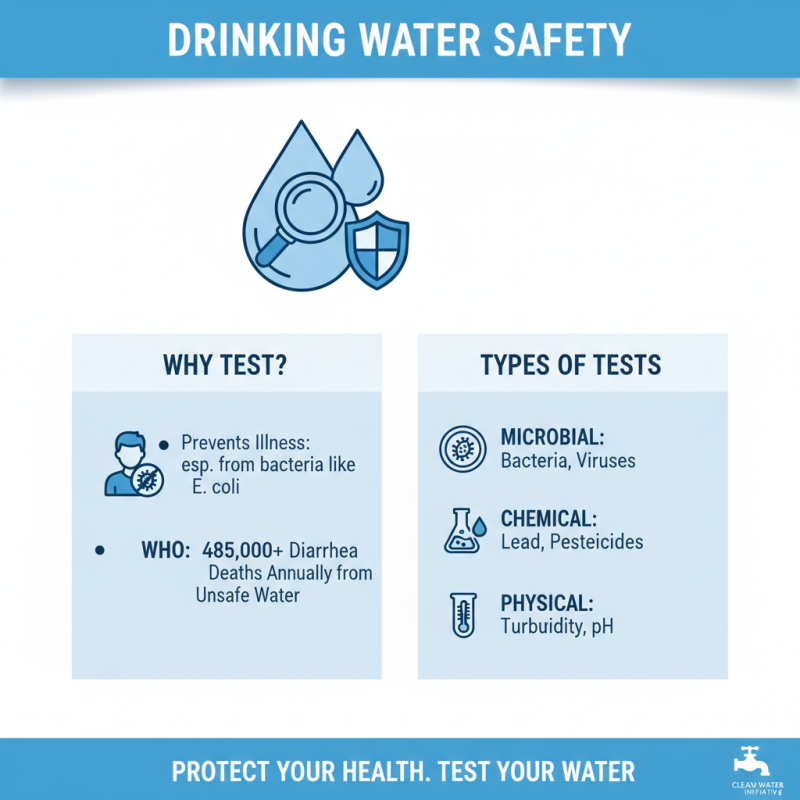
Drinking water tests are vital for ensuring water safety. Different types of tests target specific contaminants. Microbial tests check for harmful bacteria like E. coli. These pathogens can cause severe health issues. In fact, the World Health Organization estimates that 485,000 diarrhea-related deaths occur each year due to contaminated water.
Chemical tests examine harmful substances like lead and nitrates. Lead can enter drinking water through old pipes, posing serious risks, especially for children. Nitrate contamination often results from agricultural runoff. High levels can cause methemoglobinemia, or "blue baby syndrome," which affects oxygen transport in infants. A recent report from the Environmental Protection Agency shows that over 2 million Americans are exposed to unsafe drinking water.
Physical tests analyze water’s appearance, taste, and odor. Cloudiness or unusual tastes can indicate a problem. These tests are often overlooked but are crucial for everyday safety. Neglecting them can lead to long-term health issues. Inadequate testing methods can result in undetected contaminants, amplifying risks. Ensuring comprehensive water testing is essential for community health and safety.
The Importance of Testing Drinking Water Regularly
Testing drinking water is crucial for public health. According to the Environmental Protection Agency (EPA), contaminants in drinking water affect millions of people in the U.S. Regular testing helps identify harmful substances. For example, lead and bacteria can pose serious health risks. Even low levels of these contaminants can cause long-term issues.
Many households underestimate the need for routine testing. A survey revealed that only 25% of people test their water annually. This is concerning. Water quality can change due to weather events or infrastructure problems. Homes with old plumbing systems are at higher risk for contaminants. Many families might think their tap water is safe without checking.
Local water sources can vary widely in quality. Recent reports showed that up to 45% of community water systems had violations. Ignoring these tests could lead to preventable health problems. Drinking water tests can reveal issues early, allowing for timely actions. Testing empowers families to stay informed about their water quality and health.
Common Contaminants Detected in Drinking Water Tests
Drinking water tests reveal a lot about the safety of our water supply. Many people overlook common contaminants that can impact health.
Bacteria, heavy metals, and chemicals are often found in tap water.
These issues can stem from aging pipes, agricultural runoff, or industrial waste.
Lead is a major concern. It can leach into the water from old plumbing. Even low levels over time may lead to serious health problems.
Nitrate is another contaminant, often from fertilizers. It can cause health issues, especially in young children. Testing for such pollutants is essential for peace of mind.
Another common finding is chlorine. While used for disinfection, it can create byproducts that are harmful.
People might assume that clear water is safe, but that’s not always the case. Testing can uncover hidden dangers, prompting necessary action.
Many households are unaware of these risks, which is concerning. Regular tests are vital to ensure that drinking water remains safe and healthy.
Understanding Drinking Water Testing Regulations and Standards
Understanding drinking water testing regulations and standards is crucial for public health. The water quality is governed by strict regulations in many countries. For instance, the EPA in the United States has set standards to ensure safe drinking water. According to the EPA, more than 90 contaminants must be monitored. Yet, despite these regulations, many local water systems face challenges in compliance.
Recent reports indicate that nearly 41 million Americans receive water from systems that violate federal health-based standards. This situation raises alarm bells. It highlights gaps in monitoring and the implementation of treatment practices. Community engagement plays a key role in holding water providers accountable. People need to be aware of their local water quality reports. In many areas, the lack of transparency can lead to distrust.
Moreover, testing protocols vary widely. Some regions perform regular tests, while others do so infrequently. The inconsistency can affect water's safety. Citizens should therefore advocate for better compliance and more frequent testing. Awareness is essential. Without proper knowledge, we cannot ensure the drinking water's safety. It is a collective responsibility, and every drop counts.