How to Choose the Best WPC Decking Floor for Your Needs?
Choosing the right Wpc Decking Floor can significantly impact your outdoor space. Wood-plastic composites (WPC) are increasingly popular due to their durability and low maintenance. According to the Freedonia Group, demand for WPC decking is projected to grow annually by 10% through 2025. This rise is driven by homeowners seeking sustainable and long-lasting materials.
When selecting a WPC decking floor, consider its composition and performance. High-quality products often contain 50% wood fibers and 50% plastics. This balance enhances strength and resistance to moisture, making them suitable for various climates. However, not all WPC products are created equal. Some may lack the necessary durability, leading to premature wear.
Another critical factor is aesthetic appeal. Many WPC decking options mimic the look of traditional wood. Yet, variations exist among colors, textures, and finishes. It’s essential to weigh these elements against your design vision. As demand grows, the market is flooded with options, making informed decisions vital. Balancing quality and cost is key. Not every WPC decking floor will meet long-term expectations. Considering these factors will help you select the right product for your needs.
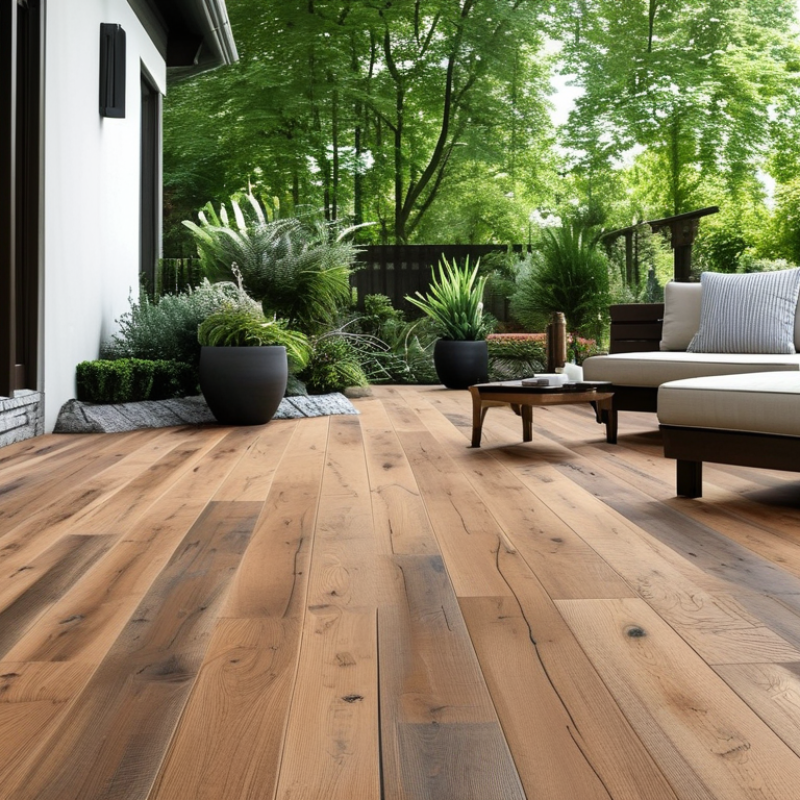
Understanding WPC Decking: What It Is and Its Benefits
WPC decking, or wood-plastic composite, is a popular choice for outdoor flooring. It combines wood fibers and recycled plastic, creating a versatile and durable product. One of the key benefits is its resistance to weather elements. Unlike traditional wood, WPC does not warp or splinter easily. This makes it an ideal option for patios, decks, and walkways.
Another advantage is its low maintenance requirements. Routine cleaning is often all that is needed. However, some users report that it can fade over time, especially in direct sunlight. Color variability can also be an issue. If you choose this material, look for options that offer UV protection to maintain the aesthetic appeal.
Additionally, WPC decking is environmentally friendly. It uses recycled materials, reducing waste. Many people appreciate this sustainable aspect, but it’s important to research sourcing practices. Not all manufacturers prioritize eco-friendliness equally. Ensuring the wood fibers are from sustainable forests is crucial for making an informed choice.
Key Factors to Consider When Choosing WPC Decking Flooring
When choosing WPC decking flooring, several key factors play a crucial role. Start by assessing the climate in your area. Temperature variations can impact the lifespan and durability of decking materials. Choose a product that can handle your local weather conditions. For instance, areas with high humidity or extreme heat require more resilient options.
Another vital aspect is the aesthetic appeal. WPC decking comes in various colors and textures. Consider how it will complement your outdoor space. Look for options that mimic natural wood. However, remember that not all products will achieve the same look over time. Maintenance needs can also vary. Some may fade or scratch more easily.
Finally, evaluate the installation process. Some decking solutions are easier to install than others. Ensure you have the right tools and knowledge to avoid any costly mistakes. If unsure, hiring a professional is a wise choice. It can save time and ensure better results. Balancing these factors will help you make a more informed decision.
Comparing Different Types of WPC Decking Materials
When selecting WPC decking materials, it's essential to understand the differences between types. WPC, or wood-plastic composite, varies in composition and durability. There are two main types: capped and uncapped. Capped WPC has a protective layer. This layer offers better resistance to moisture and UV rays. Uncapped options may be more affordable but often require more maintenance.
Another factor is the wood-to-plastic ratio. Higher wood content can give a more natural look. However, it may also lead to swelling and warping over time. Consider the climate in your area. If you live in a humid region, capped options may be more suitable. Reflect on your lifestyle too. If you have pets or children, choose durable materials that can withstand wear and tear.
Cost is a key consideration. While cheaper materials may seem appealing, they could lead to higher long-term costs. Weigh the initial investment against the lifespan and maintenance needs. Some choices may look great initially but fade quickly. Take time to research different materials. Seek expert advice to ensure your selection meets your needs and preferences. Evaluate both aesthetics and functionality carefully.
How to Choose the Best WPC Decking Floor for Your Needs? - Comparing Different Types of WPC Decking Materials
| WPC Decking Type | Material Composition | Durability | Maintenance | Cost per Square Foot |
| Solid WPC Decking | Wood Fiber + Plastic | High | Low, Wash with Soap | $3.50 - $5.00 |
| Hollow WPC Decking | Wood Fiber + Plastic | Medium | Moderate, Requires Sealing | $2.50 - $4.00 |
| Co-extruded WPC Decking | Wood Fiber + Plastic + Protective Layer | Very High | Very Low, Minimal Maintenance | $4.00 - $6.50 |
| Recycled WPC Decking | Recycled Wood Fiber + Plastic | Medium to High | Low, Environmentally Friendly Cleaning | $2.00 - $3.50 |
Installation and Maintenance Tips for WPC Decking
When it comes to WPC decking, installation is crucial for durability. Begin by preparing a stable, level substructure. Ensure proper drainage by sloping the surface away from your home. Adequate spacing between planks is necessary for expansion and contraction. Utilize a recommended fastener system to secure the boards firmly but allow some play. Avoid over-tightening screws to prevent cracking.
Maintenance is key to prolonging the life of your WPC deck. Regularly sweep away debris to prevent mold and mildew. A gentle wash with soapy water can help maintain its appearance. It’s wise to avoid harsh chemicals that could damage the surface. After heavy rain or snow, check for standing water and clear any debris to ensure proper drying.
Mistakes can happen during installation or maintenance. Some may overlook necessary drainage, leading to water pooling. Others might improperly secure boards, causing uneven surfaces. Reflecting on these oversights is essential; learning from them can enhance future projects. Taking the time for proper installation and maintenance will pay off in longevity and enjoyment of your deck.
Cost Considerations: Budgeting for WPC Decking Solutions
When considering WPC decking solutions, budget plays a crucial role. The cost of materials can vary significantly. Factors like quality, brand reputation, and aesthetic appeal can all impact your budget. A higher price tag often reflects better durability and lower maintenance needs. However, cheaper options may lure you in initially but could lead to higher costs down the line. It's essential to consider long-term value.
Investing in WPC decking requires analyzing your specific needs. Think about the space where you’ll install the decking. If it’s a high-traffic area, investing more upfront can save future repair costs. Factor in the installation expenses too. DIY vs. professional installation can alter your budget significantly. While tackling it yourself could save money, it might not ensure the best finish.
Don't forget maintenance costs, which can vary widely. Some WPC products require minimal upkeep, making them cost-effective over time. Research warranties offered by different manufacturers. A longer warranty can indicate a more reliable product, potentially justifying a higher initial investment. However, remember that all decks will require attention to keep them looking great. Balancing upfront costs with long-term upkeep will ultimately guide your decision.