

•  

How to Choose the Best PVC Factory in China?

Choosing the best Pvc Factory in China requires more than comparing quotations. It requires evidence, technical judgment, and careful factory verification. China remains a major global plastics manufacturing base, supported by mature supply chains for PVC resin, additives, extrusion equipment, and tooling. Industry reports from Grand View Research and Fortune Business Insights project continued growth in the global PVC market, although their market estimates differ. That difference matters. Market data should guide decisions, not replace direct investigation.

A capable Pvc Factory should demonstrate stable production, documented quality controls, and practical export experience. Request ISO 9001 certification, recent material test reports, batch-specific certificates of analysis, and compliance evidence for the destination market. Check whether the factory follows relevant GB, ASTM, EN, or ISO standards. A factory visit can reveal important details: clean resin storage, labeled production lines, calibrated testing equipment, and finished goods protected from sunlight. Small details matter.

Do not trust photographs alone.

I would also compare production capacity, mold ownership, minimum order quantities, lead times, packaging methods, and after-sales response. Import data from UN Comtrade can help evaluate trade patterns, while reports from the China Chlor-Alkali Industry Association provide useful context about domestic PVC production. However, no report can confirm how one supplier handles a delayed shipment or a failed inspection. That weakness deserves attention. The cheapest quotation may conceal inconsistent formulations, weak traceability, or expensive rework. A reliable supplier should welcome a sample order, independent inspection, and written corrective actions. No factory is perfect, but the best partner makes problems visible, measurable, and manageable.
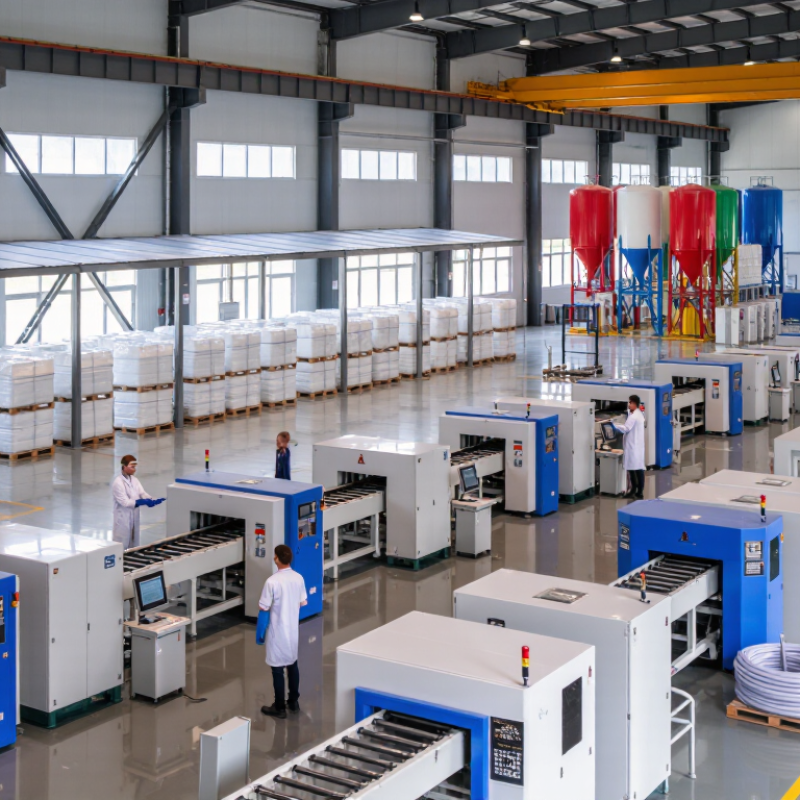
How to Choose the Best PVC Factory in China?

Define Your PVC Product Requirements and Factory Criteria

Before comparing PVC factories in China, define the product precisely. State whether you need rigid PVC, flexible PVC, pipe, profile, sheet, film, or a custom part. Record dimensions, wall thickness, color tolerance, hardness, tensile strength, impact resistance, operating temperature, and surface finish. Include annual volume, packaging, inspection standards, and delivery terms. Your first specification may be wrong. Test samples before approving mass production.

Factory criteria should match the product risk. Request material certificates, batch records, mold maintenance logs, and inspection reports. Check whether the factory measures dimensions continuously, rather than relying only on final inspection. For outdoor PVC, require weathering and aging tests. For electrical applications, request documented flame and insulation performance. The ISO Survey 2023 reported more than 1.2 million ISO 9001 certificates worldwide, but certification alone cannot prove manufacturing consistency. Audit the actual workshop.

Ask for a pilot order with agreed acceptance limits. Define allowable color deviation, weight variation, surface defects, and rejection procedures. A capable factory should explain its compounding process, equipment limits, and corrective actions clearly. The PlasticsEurope Plastics—The Facts 2024 report estimated global plastics production at 413.8 million tonnes in 2023, showing the scale of competition and supply complexity. Low pricing can hide unstable formulations or weak traceability. Visit the production line if possible. Photos are not enough.

Research China’s PVC Manufacturing Regions and Supplier Types

China’s PVC map is not uniform. Start with the production route. The China Chlor-Alkali Industry Association reported approximately 29 million tonnes of PVC capacity and 20 million tonnes of output in 2023. S&P Global Commodity Insights estimated China held over 40% of global PVC capacity in 2024. That scale hides regional differences.

Xinjiang, Inner Mongolia, Ningxia, and parts of Shanxi favor coal-based calcium-carbide production. Shandong, Jiangsu, Zhejiang, and coastal Guangdong provide stronger port access and more ethylene-linked supply. These patterns help, but they are not guarantees. Power reliability, freight distance, and environmental controls can change the delivered cost. Verify the process route, feedstock source, and actual plant location.

Supplier type matters too. Integrated producers usually offer stronger resin traceability, larger laboratories, and steadier batch control. Independent converters may respond faster with customized compounds or profiles. Trading companies can simplify export paperwork, but their factory visibility may be limited. Ask for recent batch test reports, production capacity by month, quality certificates, and a live video inspection. Check whether the quoted capacity is installed or actually available. A common mistake is trusting a large number without checking utilization. ICIS market analysis also shows PVC demand remains closely connected to construction activity, so seasonal orders can affect lead times and pricing. Small details matter.

Evaluate Factory Quality Systems, Equipment, and Production Capacity

How to Choose the Best PVC Factory in China?

A reliable PVC factory should show more than a polished showroom. During an audit, request its ISO 9001 certificate, process records, and corrective-action files. The ISO Survey 2023 recorded 1,265,216 ISO 9001 certificates worldwide. Yet certification alone does not prove stable production. Check whether operators follow written procedures for resin mixing, extrusion temperature, cooling, and dimensional testing. Ask for three recent batch records, not only selected samples.

Equipment reveals practical competence. Inspect extruders, molds, automatic weighing systems, cooling tanks, and testing instruments. Confirm calibration dates and maintenance intervals. A factory producing profiles should measure thickness, impact strength, color variation, and shrinkage. For pipes, pressure and dimensional tests matter. PlasticsEurope’s Plastics—The Facts 2023 reported 400.3 million tonnes of global plastics production in 2022, with China representing about 32.5%. This scale increases competition, but it does not guarantee process discipline.

Capacity claims need careful testing. Compare installed lines with actual monthly output, staffing, warehouse space, and electricity records. Ask how many lines are available during peak orders. A useful factory should explain its bottleneck honestly. Maybe the answer is uncomfortable. An impressive machine may remain idle. Request production data from the last six months and verify it against shipment records. Also inspect rejected goods and rework areas. Those imperfect details often reveal more than a sales presentation.

Verify Certifications, Samples, Pricing, and Export Experience

Choosing a PVC factory in China requires evidence, not polished catalog images. China Customs data recorded plastics product exports above US$100 billion in 2023, showing strong capacity but uneven supplier quality. Ask for current ISO 9001 records, material test reports, and market-specific documents such as REACH or RoHS compliance. Verify certificate numbers through the issuing body. A PDF alone proves very little.

Request samples made from the same PVC grade, additives, color, and tooling proposed for production. Check wall thickness with calipers, surface finish under direct light, odor, flexibility, and dimensional stability after heat exposure. The ASTM D1784 PVC classification system shows why formulation details matter. A sample can look excellent while hiding weak impact performance. I have seen factories send hand-finished samples that did not match mass production.

Compare pricing line by line. Include resin grade, packaging, tooling, inspection, delivery terms, and estimated waste. The PlasticsEurope Plastics—The Fast Facts 2023 report placed global plastics production at 400.3 million tonnes in 2022, so resin prices can shift purchasing decisions quickly. Request a dated quotation and a resin-price adjustment rule. Export experience should be measurable: ask for anonymized shipping records, destination markets, HS codes, and references for similar products. A factory may claim ten years of exports, yet provide no verifiable shipment history. That is a warning, not a minor inconvenience.

How to Choose the Best PVC Factory in China? - Verify Certifications, Samples, Pricing, and Export Experience

Evaluation Category Key Data Dimension What to Verify Practical Reference Benchmark Suggested Weight
Factory Legitimacy Business registration and production address Check the legal registration, registered address, workshop address, and consistency between documents and on-site facilities. All company details should be consistent across the quotation, sales contract, invoice, bank information, and audit documents. 10%
Quality Management Quality management certification Request a valid ISO 9001 certificate and verify its scope, certificate number, issuing body, validity period, and covered site. The certification scope should cover the relevant PVC product manufacturing or quality-control activities. 12%
Product Compliance Material and chemical compliance Review test reports for the exact product, material, color, and model. Confirm the laboratory, test date, sample description, and applicable market requirements. For EU-bound goods, commonly reviewed requirements may include REACH restrictions and, where applicable, RoHS or product-specific regulations. Requirements depend on the product and intended use. 15%
Sample Accuracy Sample-to-bulk consistency Compare approved samples with pre-production samples and final goods for dimensions, thickness, color, surface finish, flexibility, odor, packaging, and workmanship. Require an approved sample, signed specification sheet, tolerance range, and retained reference sample before mass production. 15%
Testing Capability In-house and third-party inspection Confirm whether the factory can measure thickness, dimensions, weight, hardness, tensile properties, color, and other product-specific characteristics. Critical characteristics should have documented inspection methods, calibrated instruments, inspection records, and defined acceptance criteria. 12%
Pricing Transparency Total landed-cost components Separate material cost, tooling, printing, packaging, inspection, inland transport, freight, and applicable taxes or duties. Obtain comparable quotations using the same specification, quantity, Incoterm, payment terms, packaging, and delivery destination. 10%
Minimum Order Quantity MOQ and setup charges Check the minimum order by size, color, material formulation, packaging method, and customization level. The MOQ should be commercially suitable for the order plan, with written terms for mixed colors, repeat orders, tooling, and leftover materials. 8%
Production Capacity Monthly output and lead time Request capacity by product type, current production loading, standard lead time, peak-season lead time, and contingency arrangements. Capacity claims should be supported by production records, equipment lists, staffing information, and a realistic written production schedule. 8%
Export Experience International shipment capability Ask for anonymized shipping documents, export markets, customs experience, packaging records, and knowledge of the destination country’s requirements. Prefer documented experience with the target country or region and a clear process for commercial invoices, packing lists, certificates of origin, and shipping marks. 10%
Inspection and After-Sales Support Pre-shipment inspection and claim handling Confirm inspection checkpoints, defect classification, corrective-action procedure, replacement policy, and response time. Quality requirements and remedies should be written into the purchase contract, with a defined inspection window and evidence process. 10%
Total Suggested Evaluation Weight 100%

Note: The benchmarks above are due-diligence reference points rather than claims about any specific factory. Certification, testing, labeling, and import requirements should be confirmed according to the exact PVC product, destination market, and intended application.

Compare Contracts, Lead Times, Communication, and After-Sales Support

How to Choose the Best PVC Factory in China?

A reliable PVC factory should offer a clear contract, not only a low quotation. Check material standards, product dimensions, color tolerance, packaging, and inspection responsibilities. Payment terms should match production milestones. The contract must also explain how defects, delays, and rejected goods will be handled. Vague promises create expensive arguments later.

Lead times need evidence. Ask for a production schedule showing sampling, raw material preparation, manufacturing, inspection, and loading dates. A factory that answers “about twenty days” may not understand your order. Request recent capacity information and a realistic buffer for holidays or port congestion. Even experienced suppliers can misjudge peak-season pressure. Build room for mistakes.

Communication reveals daily working habits. Notice whether sales staff answer technical questions directly and send complete documents. Ask who will manage your order after payment. Fast replies are useful, but accurate replies matter more. Request inspection photos, test reports, and carton details before shipment. After-sales support should include a named contact, response time, evidence requirements, and a practical replacement or credit process. Test this system with a small issue before placing a large order. Small tests matter. A professional factory may admit limitations, suggest adjustments, and record corrective actions instead of hiding problems.

Article Source: