How to Choose the Best PH Tester for Water Quality Testing?
Choosing the right pH tester for water quality testing is crucial. With so many options available, the selection process can feel overwhelming. Renowned water quality expert Dr. Sarah Thompson once said, "An accurate pH tester for water can make the difference between safe and unsafe drinking water." This statement underscores the importance of making informed choices.
When selecting a pH tester for water, consider crucial features like accuracy, ease of use, and calibration. Many testers offer different measurement ranges, and finding the right fit for your specific needs is vital. Reading user reviews can provide insight into the reliability of the device. However, remember that not all reviews are perfect; some may highlight issues that might affect your decision.
It's also essential to reflect on the importance of frequent calibration and maintenance. Many users overlook this aspect, leading to inaccurate readings over time. Pay attention to the mentioned details, as they can help ensure you choose the best pH tester for water quality testing. Making a well-informed decision today can enhance your water quality monitoring efforts significantly.
Understanding pH Levels: Importance in Water Quality Testing
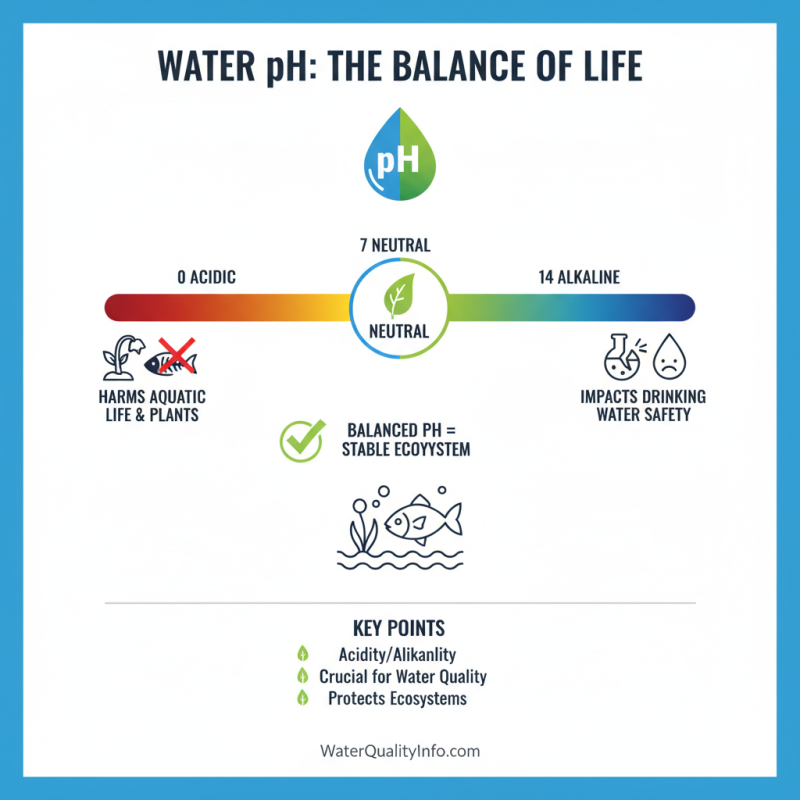
Understanding pH levels is crucial for effective water quality testing. pH indicates the acidity or alkalinity of water. It affects aquatic life, plant growth, and even drinking water safety. Balanced pH levels provide a stable environment for fish and other organisms. Significant deviations can harm ecosystems.
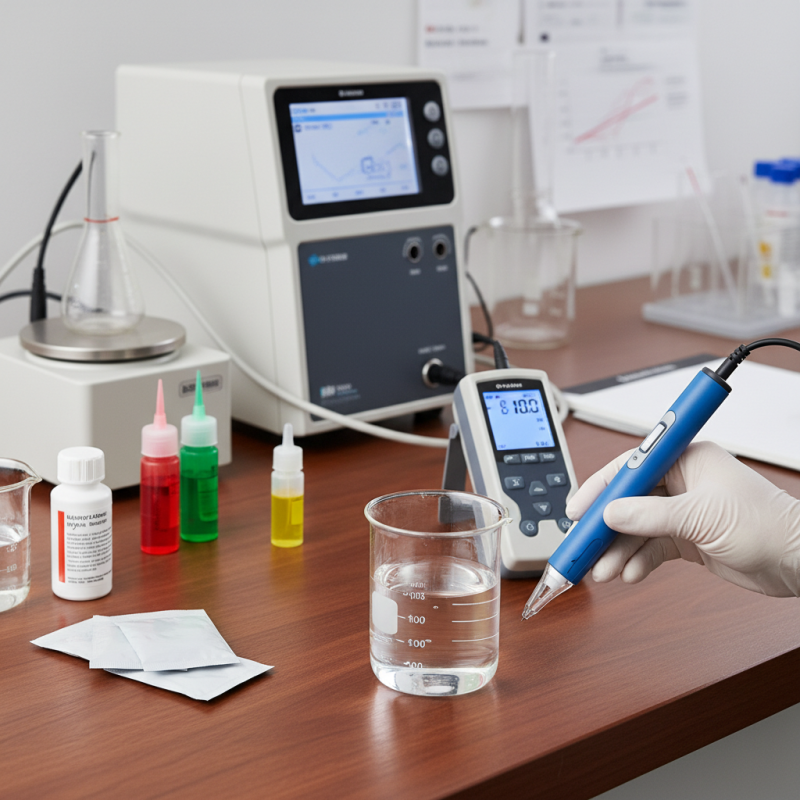
Testing pH regularly helps maintain water quality. You may use simple litmus strips or advanced digital meters. Each method has its pros and cons. Digital meters provide precise readings. However, they require calibration and maintenance. Litmus strips are convenient but less accurate. Think about your needs when choosing a tester.
**Tips**: Always store your pH tester in a safe place. Clean it properly after each use. Keep a log of your readings to track changes over time. This helps identify trends. Also, remember that some factors impact pH, like temperature and dissolved materials. Reflection on these variables can improve your testing practices.
Types of pH Testers: Analog vs. Digital, and When to Use Each
When choosing a pH tester, it's essential to understand the difference between analog and digital testers.
Analog testers use a simple scale with color-coded strips or liquid indicators. They are cost-effective and easy to use for quick checks.
However, their accuracy can vary. A slight color change might lead to misinterpretation, which can affect results.
Digital pH testers offer precision and are user-friendly. They provide a numeric display, making it easier to read values. Many models feature
automatic calibration and temperature compensation. This can help in getting more accurate readings, especially in fluctuating conditions.
But they require a power source, and some users find them more complex.
Tips: Regular calibration is crucial for both types. Store test probes in a dry place. Always read the manual before use for best results.
For beginners, analog might feel familiar, but digital offers more reliability as you grow in experience.
Remember, each tool shines in different scenarios. Choosing the right one is about aligning it with your specific needs.
Key Features to Consider in a pH Tester: Accuracy, Calibration, and More
When selecting a pH tester, accuracy is crucial. A precise measurement allows for effective monitoring of water quality. According to a report by the Water Quality Association, inaccuracies can lead to significant errors in data, impacting decisions in agriculture and water treatment. A high-quality pH tester should provide readings within ±0.01 pH units. However, many cheaper models may vary by ±0.1 pH units or more.
Calibration is another vital feature. Regular calibration ensures consistent results. Ideally, testers should undergo recalibration after each use to maintain accuracy. Data from the American Society for Testing and Materials indicates that improper calibration can lead to a 25% drop in measurement reliability. This could distort your understanding of water conditions. Users often neglect this, leading to potential risks in agricultural and environmental applications.
Moreover, consider the tester's durability. Look for units that can withstand harsh conditions. Many inexpensive testers fail in extreme temperatures or high humidity. Longevity is essential for those who rely on precise readings over extended periods. Incorporating these elements improves water quality assessments. Each choice matters, and overlooking any feature can lead to costly mistakes down the line.
Industry Standards: Recommended pH Ranges for Common Water Sources
When considering pH levels, different water sources have specific standards. Drinking water typically should have a pH range of 6.5 to 8.5. Lakes and rivers might vary more widely, with acceptable ranges from 6.0 to 9.0. Aquarium water requires a balanced pH of 6.5 to 8.0 for optimal fish health. Slight deviations can stress aquatic life. Regular pH testing helps maintain these standards.
Consider the impact of agricultural runoff, which can lower pH levels in nearby waters. Chemical fertilizers can create localized acidity. It's crucial to monitor these changes regularly. A handheld pH tester can provide instant readings, ensuring you are aware of potential harm to flora and fauna.
Tips: Ensure your pH tester is calibrated. Calibration ensures accurate results, minimizing errors. Additionally, take multiple readings at different times. This practice helps account for fluctuations. This can prevent devastating impacts on sensitive environments. Monitoring is essential, but results can be surprising.
Maintenance and Calibration: Best Practices for Accurate pH Measurements
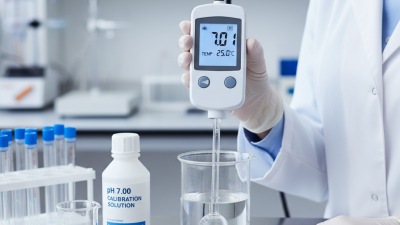
Maintaining the accuracy of pH measurements requires regular calibration and proper maintenance. Use calibration solutions with known pH values. These solutions help you set your tester correctly. Make sure to check the expiry date of these solutions. Older solutions can lead to inaccurate results. It is crucial to store your pH tester properly. Avoid exposing it to extreme temperatures and humidity.
Cleaning the electrode is another important step. Rinse it with distilled water after each use. This prevents contamination and buildup on the electrode. If the electrode appears dirty, gently wipe it with a soft cloth. Yet, excessive cleaning can wear down the electrode. Striking a balance is vital for longevity.
Tracking the performance of your pH tester is essential. If readings seem inconsistent, consider further investigation. Anomalies might indicate an outdated electrode or incorrect calibration. Regularly document your measurements to notice patterns over time. Sometimes, even small changes can indicate deeper issues. Constant reflection on these details ensures reliable results in water quality testing.
How to Choose the Best PH Tester for Water Quality Testing? - Maintenance and Calibration: Best Practices for Accurate pH Measurements
| Parameter |
Recommendation |
Frequency |
Notes |
| Calibration |
Use 2 or 3-point calibration |
Monthly |
Use fresh buffer solutions. |
| Maintenance |
Clean the electrode regularly |
Weekly |
Avoid using abrasive materials. |
| Storage |
Keep in a storage solution |
Daily |
Do not store dry. |
| Check Battery |
Replace when low |
As needed |
Affects accuracy. |
| Data Logging |
Use data logger |
Continuous |
Helps in trend analysis. |