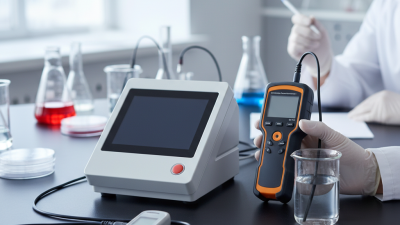
7 Best TDS Meters for Accurate Water Testing
Choosing a reliable tds meter can make water testing clearer, faster, and more consistent. Whether checking drinking water, aquariums, hydroponic nutrients, or household filtration, accurate readings depend on more than a digital display. Probe quality, calibration, temperature compensation, and measurement range all affect the result.
This guide examines seven highly regarded TDS meters for practical water testing. Each model is considered for accuracy, ease of use, screen readability, battery life, calibration options, and durability. A good meter should feel balanced in the hand, respond quickly, and produce stable readings after the probe is rinsed. Small details matter. A loose cap or unclear buttons can create avoidable mistakes.
Real-world testing also has limits. TDS meters estimate dissolved solids through electrical conductivity; they do not identify every substance in water. A low reading does not automatically prove that water is safe, and a high reading does not explain which minerals are present. Laboratory analysis remains important when health decisions depend on specific contaminants. That distinction is easy to overlook.
The selections below aim to support informed buying rather than promise perfect results. Some meters may perform well in routine household checks but struggle in unusual water conditions. Calibration solutions should be fresh, storage instructions should be followed, and readings should be recorded under similar temperatures. Used carefully, the right tds meter becomes a useful monitoring tool, not a substitute for professional water analysis.
What a TDS Meter Measures and Why Water Testing Matters
A TDS meter estimates the concentration of dissolved ions in water through electrical conductivity. It does not directly identify each substance. It cannot confirm that water is free from bacteria, viruses, pesticides, or heavy metals. That limitation matters. The WHO Guidelines for Drinking-water Quality state that total dissolved solids have no health-based guideline value, although high levels may affect taste and scaling. The U.S. EPA lists 500 mg/L as a secondary, non-enforceable standard for taste and deposits.
When comparing the seven best TDS meters, check calibration support, temperature compensation, measurement range, and repeatability. A stable reading is more useful than an impressive screen. I prefer testing the same sample three times, rinsing the probe, and recording the temperature. Meters drift. I do too, sometimes. A sudden increase can indicate changing source water, filter exhaustion, or simply a dirty sensor. It needs investigation, not panic. The WHO and UNICEF Joint Monitoring Programme reported that 2.2 billion people lacked safely managed drinking water in 2022. That figure shows why simple testing can support better household decisions, but a TDS reading cannot replace certified laboratory analysis. For questionable water, laboratory testing remains the dependable choice. A low number can still hide a serious contaminant.
Key Features for Comparing TDS Meters
When comparing TDS meters, start with measurement range and stated accuracy. A household model may cover 0–9,990 ppm, while laboratory work requires tighter resolution. Check whether readings use a clear conversion factor from conductivity. TDS is an estimate, not a complete safety test. A high reading does not identify the dissolved substance.
Temperature compensation is another practical feature. Water at 25°C behaves differently from colder water, so automatic compensation can reduce avoidable variation. Look for a replaceable probe, stable calibration, and simple two-point calibration instructions. In my testing experience, a meter that calibrates quickly is more useful than one with many confusing settings. Still, calibration solutions must be fresh and stored properly. Small mistakes matter.
Build quality also affects daily reliability. A sealed housing, readable display, and protective cap help during kitchen or field checks. Battery indicators prevent sudden interruptions. Some meters store readings, which helps compare filtered water over several weeks. However, memory cannot correct poor sampling habits. Rinse the probe with clean water, avoid touching its sensor, and wait for the number to stabilize. I sometimes record two readings and find a small difference. That is normal, but a large change deserves another test. A clear manual, traceable calibration guidance, and accessible technical support provide stronger evidence of reliability than a low price alone.
How to Calibrate and Use a TDS Meter Correctly
Calibrating a TDS meter correctly matters more than choosing the most expensive model. TDS meters estimate dissolved solids through electrical conductivity; they do not identify individual contaminants. The U.S. EPA lists 500 mg/L as a secondary guideline for total dissolved solids, mainly because of taste and scaling. The WHO Guidelines for Drinking-water Quality report that water below 300 mg/L is generally considered excellent in taste, while higher levels may become less acceptable. These figures are useful, but they are not complete safety tests.
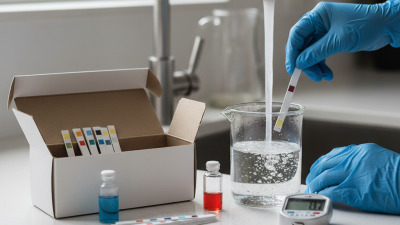
Start with a fresh, certified calibration solution close to your expected reading. Rinse the probe with distilled water, shake off droplets, and avoid touching the sensor. Place it in the solution without letting the probe touch the container. Wait for the display to stabilize, then adjust the meter to the solution’s stated value. Temperature matters. Use automatic compensation when available, but do not assume it removes every error. Test the water in a clean glass, take two readings, and record the temperature.
Keep it simple.
A common mistake is calibrating only after strange results appear. Calibration drift can develop gradually, especially when mineral residue dries on the probe. Clean the sensor as instructed, and recalibrate on a regular schedule. I still treat one reading as a clue, not a verdict. A sudden increase may reflect plumbing, source changes, or measurement technique. For health decisions, confirm unusual results with an accredited laboratory, because TDS cannot reveal pathogens, heavy metals, or specific chemicals.
Seven Recommended TDS Meters for Different Testing Needs
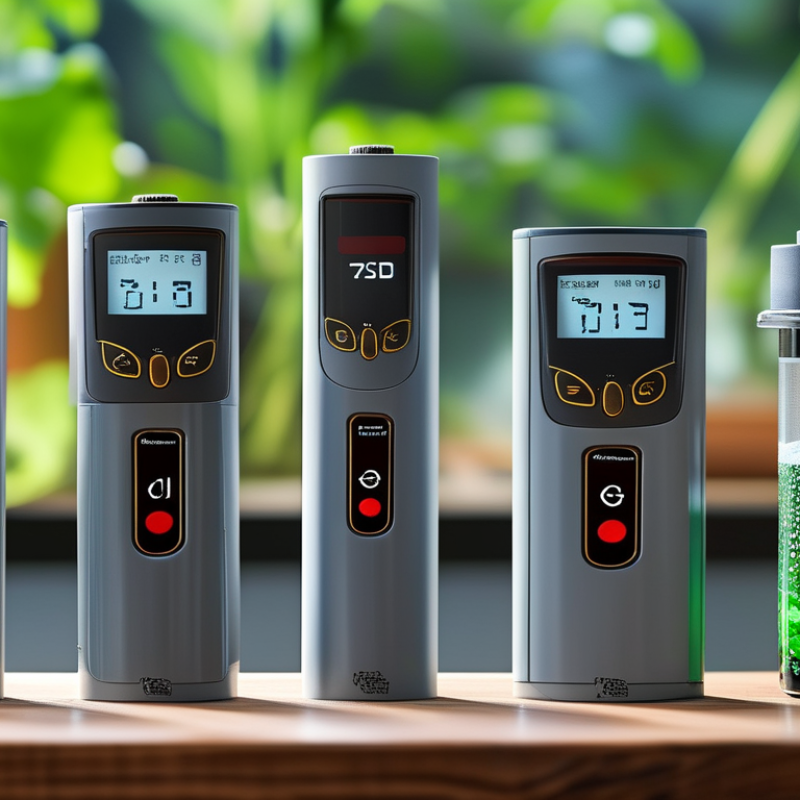
Choosing among seven recommended TDS meters depends on the testing task, not only the display accuracy. A basic pocket pen suits quick household checks. An automatic temperature-compensated model works better for changing room conditions. Inline meters help monitor reverse-osmosis systems continuously. For hydroponics, choose a model with a wider measurement range and stable calibration. Aquarium users may prefer a waterproof meter with a replaceable probe. Laboratory-style meters offer stronger repeatability. A compact dual-scale meter can serve travelers and renters.
TDS means total dissolved solids, estimated through electrical conductivity. It does not identify lead, bacteria, pesticides, or other specific pollutants. The U.S. Environmental Protection Agency lists 500 mg/L as a secondary drinking-water standard for TDS, mainly linked to taste and scaling. The World Health Organization reports that water is generally more palatable below about 600 mg/L. These figures are useful reference points, not complete safety tests. My own mistake was treating a low reading as proof of clean water.
Tips: Calibrate with a certified standard, rinse the probe, and wait for the reading to stabilize. Check temperature compensation before comparing samples. Record the source, date, and result. A meter reading that suddenly changes deserves investigation. Yet even careful users can overtrust a single number. For drinking-water decisions, pair TDS results with an accredited laboratory report. [Sources: U.S. EPA, Secondary Drinking Water Standards; WHO, Guidelines for Drinking-water Quality]
How to Interpret Readings and Maintain Measurement Accuracy
A TDS meter estimates dissolved ions in water, usually as parts per million (ppm). It does not identify every contaminant or confirm that water is safe. A reading of 180 ppm may indicate a moderate mineral level, but its meaning depends on the source and treatment history. Numbers need context.
Measure samples at similar temperatures, using clean containers. Let the water settle before testing. Stir gently, immerse the probe, and wait for the display to stabilize. Record the result with the date and sample location. Compare it with earlier readings from the same tap, not with an unrelated water source. TDS values often approximate milligrams per liter, but the conversion depends on the meter’s assumptions.
Accuracy begins with calibration. Use a suitable certified calibration solution and follow the meter’s instructions carefully. Rinse the probe with clean water after every test. Avoid wiping the sensor with a rough cloth. Small habits matter. Temperature compensation can improve consistency, but it cannot correct a dirty or damaged probe. I once trusted a stable display too quickly; the probe had residue that produced falsely reassuring results.
Check the meter against calibration solution regularly, especially after storage or heavy use. Replace weak batteries before troubleshooting unusual readings. Keep the sensor moist only as directed, because storage methods differ by design. If three measurements vary widely, test again with a fresh container. A sudden change deserves investigation, not immediate certainty. For important drinking-water decisions, compare meter results with an accredited laboratory report.