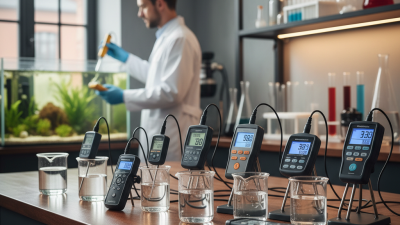
What is an at home water test kit and how does it work?
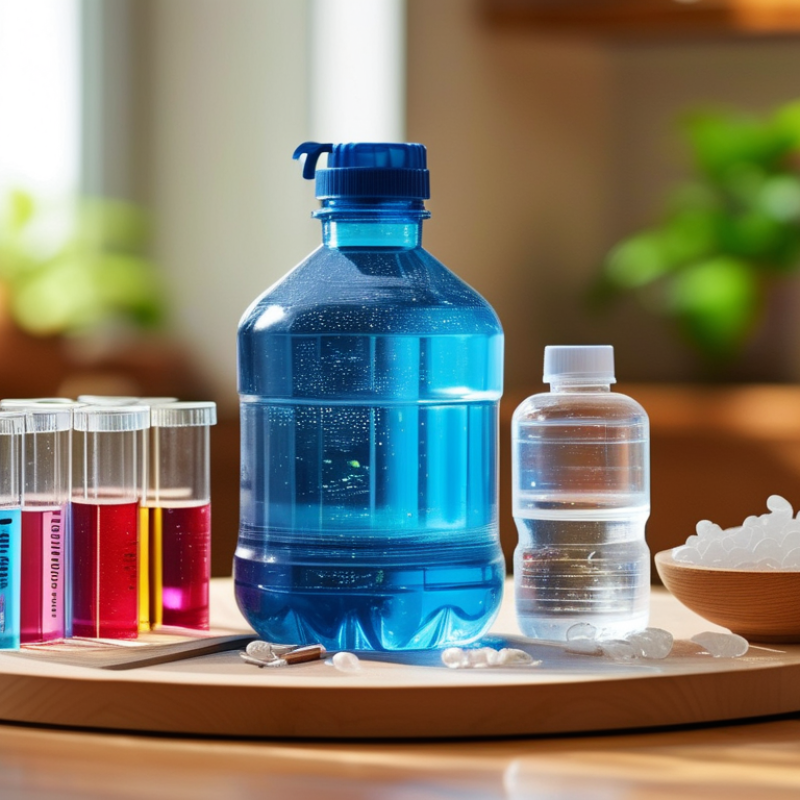
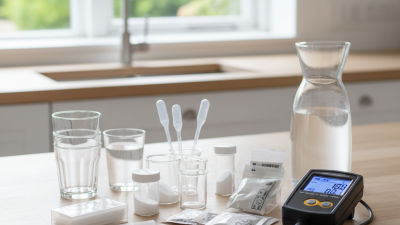
An at home water test kit offers a simple solution for those concerned about water quality. These kits allow individuals to test their drinking water for contaminants from the comfort of their own home. Each kit typically includes test strips or vials, making it easy to analyze the water's composition.
When you use an at home water test kit, you gain insights into your water's safety. Many kits can detect lead, bacteria, chlorine, and other harmful substances. Users can often see results within minutes, which adds to the convenience. Being proactive about water quality empowers homeowners.
While these kits are valuable, they may not cover all potential toxins. Some people might find the results unsettling or even confusing. It's important to understand that further testing may be required for a complete analysis. Misinformation can lead to unnecessary panic or complacency. Always consider consulting a professional for a thorough assessment.
What is an At-Home Water Test Kit?
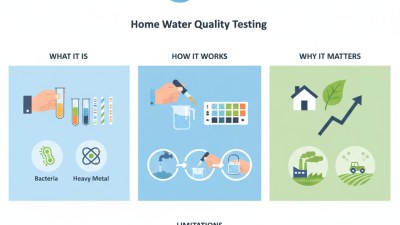
At-home water test kits offer an easy way to check water quality. These kits allow homeowners to assess various contaminants in their water. Common tests measure pH, bacteria, chlorine, lead, and nitrites. A typical kit includes test strips, reagents, and a color chart. Users simply collect a water sample and follow the instructions included.
Using a test kit can reveal potential issues. For instance, consistently high lead levels might indicate plumbing problems. Many users overlook signs of contamination until health issues arise. This is where regular testing becomes crucial. Identifying issues early can prevent serious health risks.
However, these kits are not foolproof. Some may lack sensitivity for certain pollutants. Misinterpretation of results is possible without proper guidance. It’s essential to consult local water quality guidelines for accurate context. While these kits provide convenience, they should be seen as an initial step. Professional testing can offer a more comprehensive analysis. Balancing convenience with accuracy is vital for ensuring safe drinking water.
Components of a Typical At-Home Water Test Kit
At-home water test kits are designed to help individuals check the quality of their water. These kits typically contain several essential components to facilitate accurate testing. Commonly included are pH test strips, which measure acidity and alkalinity, and test vials with reagents that indicate the presence of contaminants. For example, a study by the U.S. Environmental Protection Agency noted that improper pH levels can affect both plumbing systems and human health.
In addition to pH strips, most kits include chlorine test strips. Chlorine is a common water disinfectant. Excessive chlorine can lead to health issues, and its levels should be understood. Many kits also contain tests for heavy metals like lead and copper. According to the CDC, lead exposure can severely impact children's health. Collectively, these components offer a comprehensive view of water safety.
Yet, it's important to understand the limitations of at-home testing. Some tests may not detect all harmful contaminants or may provide variable accuracy depending on usage. Proper sampling and adherence to instructions are vital. Users should approach these tests with a critical mindset, acknowledging that while informative, these results often require further confirmation from certified laboratories.
How to Use an At-Home Water Test Kit Step by Step
Using an at-home water test kit is essential for anyone concerned about water quality. To begin, gather the necessary materials from the kit, which usually includes test strips or vials. Make sure to read the instructions carefully. Your water source might be a well, tap, or even a natural spring. This can influence the types of contaminants you may find.
Start by collecting a sample of water in a clean container. Avoid any contamination during this step. If the kit contains test strips, simply dip them into the water for the recommended time. For liquid reagents, follow the guide for adding the correct number of drops. Wait for the specified duration to see color changes that indicate various substances.
Many reports indicate that, on average, more than 20% of water samples test positive for contaminants like lead, chlorine, or bacteria. These results demonstrate the importance of regular testing, even if your water looks clear. Some users may feel overwhelmed by the results, but understanding what these chemicals mean is crucial. If you find concerning levels, consider seeking professional advice for further testing and remediation. Monitoring your water quality is a journey that requires ongoing attention.
Interpreting Results from an At-Home Water Test Kit
At-home water test kits have surged in popularity among homeowners, offering a convenient way to assess water quality. These kits typically analyze for bacteria, lead, nitrates, and pH levels, providing results in minutes. However, interpreting these results can be challenging. Studies reveal that 80% of homeowners misinterpret their test outcomes, often unsure of safe versus harmful levels.
When analyzing results, it’s crucial to understand what each contaminant means. For example, the EPA recommends lead levels should remain below 15 parts per billion. High nitrate levels, above 10 milligrams per liter, can pose risks to infants. Water may appear clear but still harbor contaminants.
Users must take care to follow instructions from the kits closely. Mistakes in sampling or reading can lead to false conclusions. Furthermore, variance in regional water quality means local conditions can affect tests. Despite their convenience, there’s no substitute for professional testing in complex situations. Taking the time to reflect on results ensures better protection for your family’s health.
Water Quality Parameters in Home Water Test Kits
This chart displays the typical values of various water quality parameters tested in home water test kits. Maintained balance in these parameters is essential for safe drinking water.
Common Contaminants Detected by Water Test Kits
At-home water test kits are valuable tools for assessing water quality. They can identify various contaminants that may pose health risks. Common contaminants detected by these kits include bacteria, lead, nitrates, and chlorine. Each of these substances can affect not only taste but also safety. For example, high levels of lead can lead to severe health issues, particularly in children.
When using a water test kit, it’s vital to follow the instructions closely. Some tests require specific water samples or conditions. Bacteria tests usually involve incubating samples for a set period. Nitrate tests can change color based on concentration. While these kits are user-friendly, false positives can occur. A follow-up with a professional lab may be necessary.
While convenience is a significant advantage, there are limitations. Home kits may not detect all potential contaminants, like pesticides or heavy metals. Each household's water source is different. Regular testing is helpful, but it may not be enough to guarantee safety. Understanding the parameters of your kit is crucial. It’s a step towards ensuring clean water, yet not a complete solution.